Surge protection explained: safeguarding industrial facilities
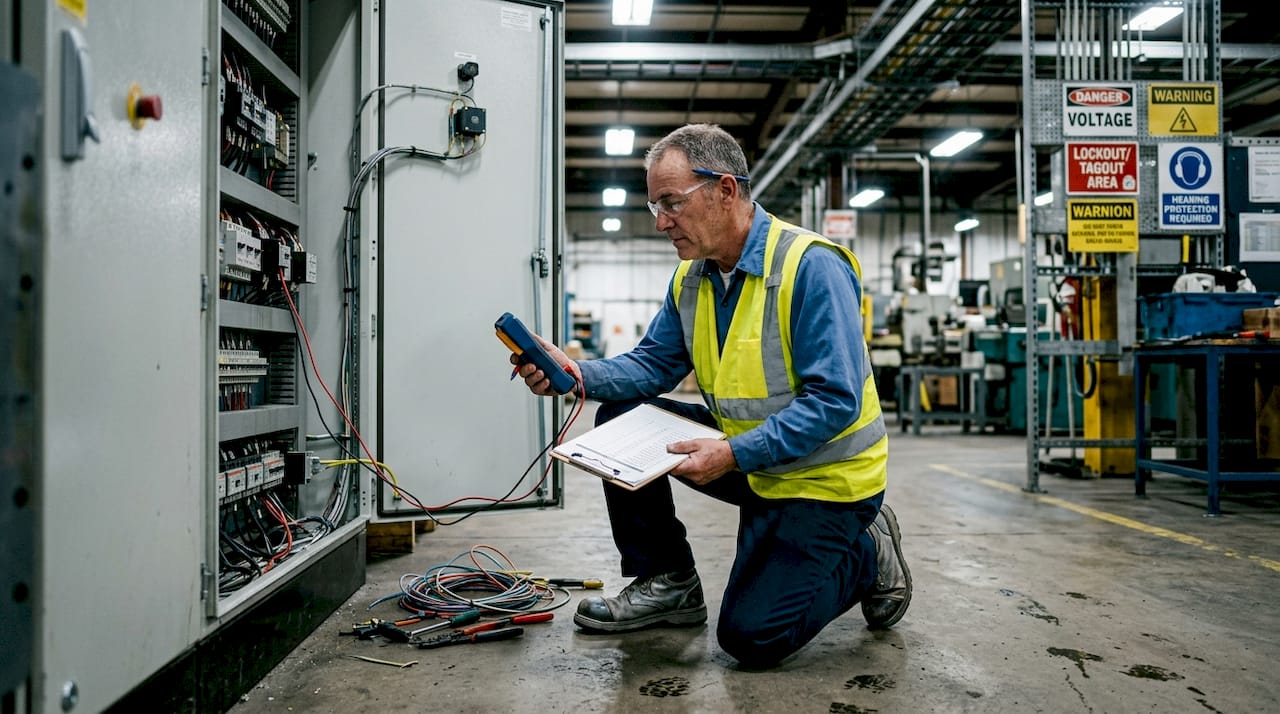
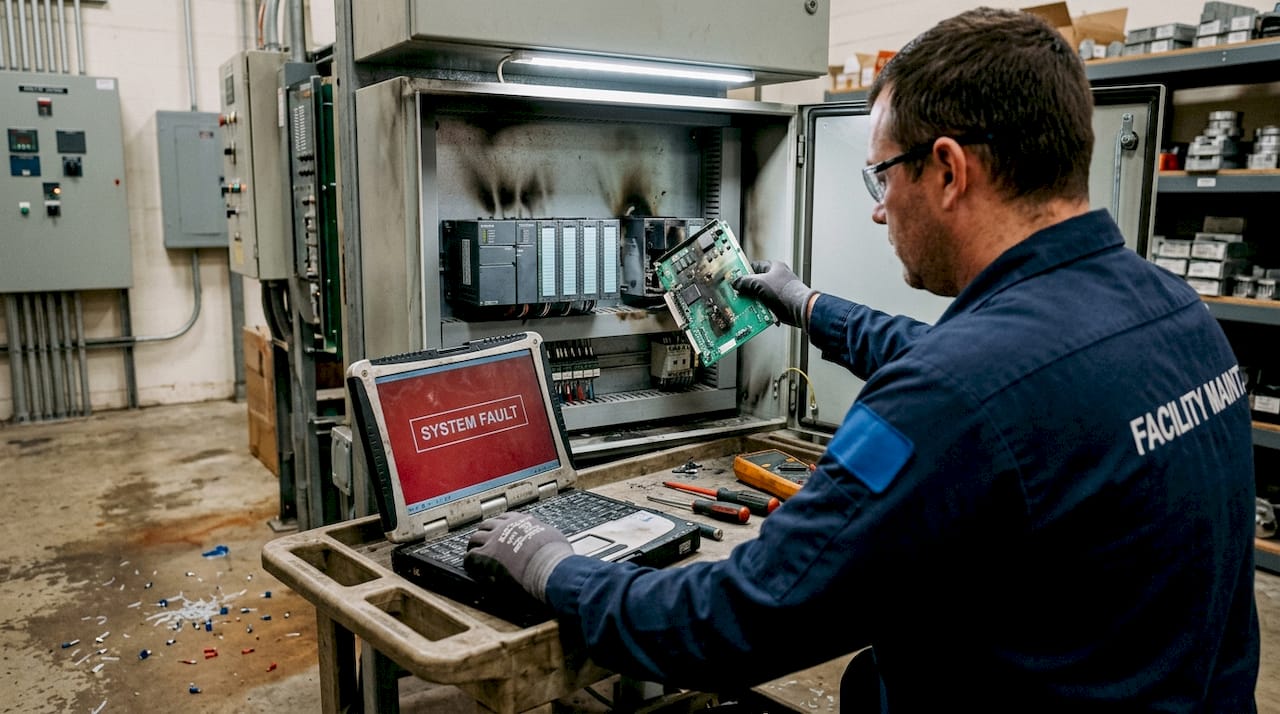
A single lightning strike can trigger multi-million dollar losses for industrial facilities through cascading equipment failure and unplanned downtime. For facility managers and maintenance teams, that risk is not theoretical. It shows up in scorched control panels, failed PLCs, and production lines that go dark without warning. This article breaks down what surge protection actually means in an industrial context, the threats it addresses, the technologies that deliver it, the standards that govern it, and the practical steps you can take to build a resilient electrical defense across your site.
Table of Contents
- What is surge protection?
- The risks: How surges threaten industrial operations
- How surge protection works: Key technologies and methods
- Navigating surge protection standards and compliance
- Best practices: Implementing surge protection in industrial facilities
- Expert solutions for total surge and lightning protection
- Frequently asked questions
Key Takeaways
| Point | Details |
|---|---|
| Critical role of surge protection | Surge protection is essential for keeping industrial operations safe, reliable, and compliant with regulations. |
| Multiple technologies work best | Layered surge protection using various devices and systems is most effective against diverse threats. |
| Compliance is mandatory | Facilities must adhere to national and international standards for legal and insurance reasons. |
| Maintenance ensures ongoing safety | Regular inspection and timely upgrades are vital for optimal surge defense performance. |
What is surge protection?
Surge protection is the practice of shielding electrical systems from sudden, damaging spikes in voltage. These spikes, called transient overvoltages, can last microseconds but carry enough energy to destroy sensitive electronics, degrade insulation, and trigger fires. As industry lightning standards define it, surge protection shields electrical systems from voltage spikes caused by lightning, switching operations, or equipment faults.
In industrial environments, surges come from multiple directions. Lightning is the most dramatic source, but internal causes are just as common. Motor startups, capacitor bank switching, and grid faults all generate transient energy that travels through your power distribution network. Understanding the source matters because different threats require different mitigation strategies.
The core functions of any surge protection system are three: divert excess voltage away from sensitive equipment, absorb the energy that cannot be redirected, and suppress residual voltage to safe levels. Facilities that rely on system protection applications understand that no single device handles all three functions alone. A layered approach is always more effective.
Key sources of electrical surges in industrial facilities include:
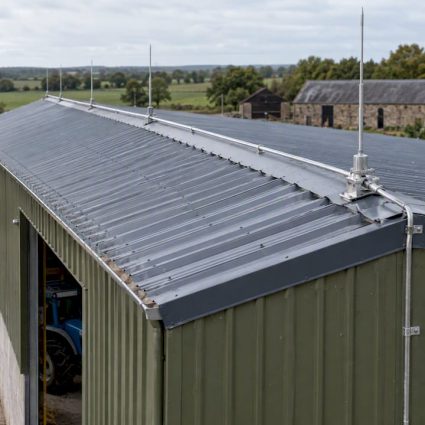
- Direct lightning strikes to structures or incoming power lines
- Induced surges from nearby lightning activity through electromagnetic coupling
- Switching transients from large motors, transformers, and capacitor banks
- Grid disturbances from utility switching or fault clearing
- Internal equipment faults that generate localized voltage spikes
Surge protection is not a single product. It is a coordinated system of devices, grounding infrastructure, and installation practices that work together to keep your facility’s electrical network intact under stress.
The risks: How surges threaten industrial operations
Having established what surge protection entails, let’s examine the very real risks it addresses for industrial operations. Equipment failure and downtime are the most frequent outcomes of unmitigated surges, and in industrial settings, those outcomes compound fast.
A single surge event can simultaneously damage variable frequency drives, programmable logic controllers, communication networks, and safety systems. The direct replacement cost is significant. The indirect cost, including lost production, emergency labor, regulatory scrutiny, and potential liability, often dwarfs it. For energy plants and critical utilities, a surge-induced outage can affect thousands of end users and trigger regulatory penalties.
| Surge event type | Typical cause | Potential operational loss |
|---|---|---|
| Direct lightning strike | Storm activity | $500K to $5M+ in equipment and downtime |
| Switching transient | Motor or capacitor switching | $10K to $500K in component damage |
| Grid fault surge | Utility disturbance | $50K to $2M in process disruption |
| Induced lightning surge | Nearby strike, EM coupling | $20K to $1M in electronics damage |
| Internal equipment fault | Aging or overloaded systems | $5K to $200K in localized damage |
Beyond financial loss, surges create fire hazards when insulation breaks down or arcing occurs in switchgear. They also create data integrity risks in facilities that rely on SCADA systems or industrial IoT networks. Accessing infrastructure safety resources helps teams quantify these risks before an incident forces the calculation.
Facilities that invest in professional protection services consistently report fewer unplanned outages and lower maintenance costs over a five-year horizon. The math is straightforward: prevention is cheaper than recovery.
How surge protection works: Key technologies and methods
After understanding the damage potential, it is critical to see how surge protection systems counteract these risks. The primary tool is the surge protection device, or SPD. An SPD connects in parallel with the equipment it protects and activates only when voltage exceeds a set threshold, clamping the spike and diverting energy to ground.
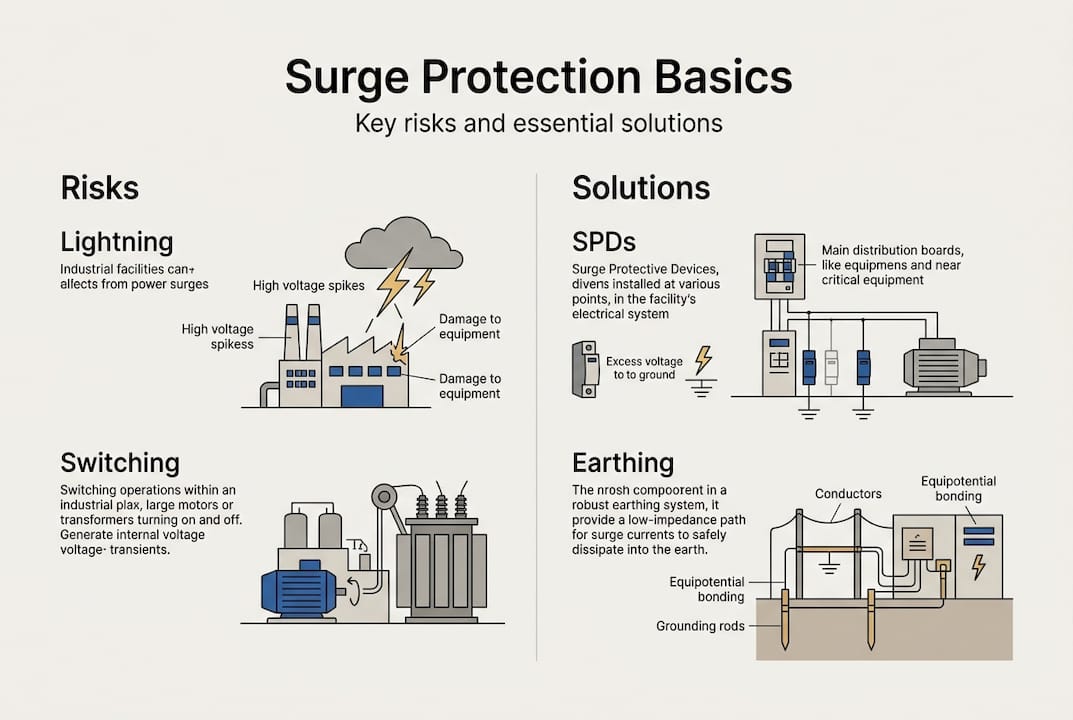
Installation of SPDs reduces incident risk by up to 80% when combined with proper earthing. That figure underscores why grounding quality is not optional. A poorly grounded SPD cannot divert energy effectively and may actually worsen damage by creating ground potential rise.
| Device type | Application | Response time | Relative cost |
|---|---|---|---|
| Type 1 SPD | Main distribution board, direct strike protection | < 100 ns | High |
| Type 2 SPD | Sub-distribution panels, switching transients | < 25 ns | Medium |
| Type 3 SPD | Point-of-use, sensitive equipment protection | < 5 ns | Low |
| Whole-building surge system | Full facility coordination | Layered | High |
| Enhanced grounding system | Foundation for all SPD performance | N/A | Medium |
For highly sensitive facility solutions such as data centers, control rooms, or precision manufacturing lines, Type 3 devices at the equipment level are non-negotiable. They catch residual energy that upstream devices miss.
Integrating surge protection into legacy facilities follows a clear sequence:
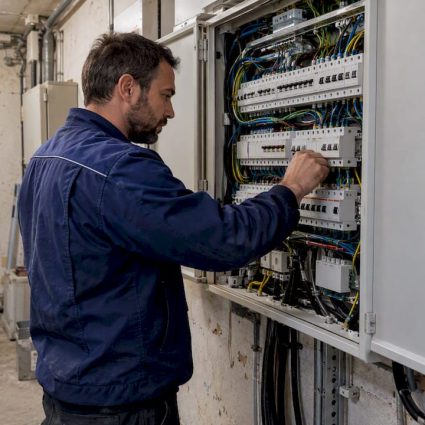
- Audit your existing electrical infrastructure to identify all entry points for transient energy, including power, data, and signal lines.
- Assess grounding system quality using earth resistance measurements. Values above 10 ohms typically require remediation before SPDs can perform reliably.
- Select SPD types by zone, starting at the main distribution board with Type 1 devices and cascading down to Type 2 and Type 3 at sensitive loads.
- Coordinate protection levels so that each downstream device handles only the residual energy the upstream device passes through.
- Document all installations with device ratings, installation dates, and test results for compliance and future maintenance reference.
Pro Tip: One of the most overlooked installation errors is inadequate lead length between the SPD and the protected equipment. Even a few extra centimeters of conductor adds inductance that reduces clamping effectiveness. Keep SPD connections as short and direct as possible, and always follow manufacturer specifications for advanced SPD solutions.
Navigating surge protection standards and compliance
To ensure all these efforts are effective and recognized, you must also consider relevant standards and legal obligations. International standards such as IEC 62305 set minimum requirements for lightning and surge protection, covering risk assessment, system design, installation, and inspection intervals.
IEC 62305 is structured in four parts, addressing general principles, risk management, physical damage and life hazard, and electrical and electronic systems within structures. For U.S. facilities, NFPA 780 and UL 96A govern lightning protection system installation, while IEEE C62 standards address SPD performance and application. Many facilities must satisfy multiple frameworks simultaneously, especially those operating across international sites.
Compliance is not just about avoiding fines. It directly affects insurance coverage, liability exposure, and your ability to demonstrate due diligence after an incident. Reviewing current lightning standards and key compliance norms gives your team a clear picture of what documentation and inspection cycles are required.
Documentation and inspection best practices include:
- Annual visual inspections of all SPDs, grounding connections, and bonding conductors
- Post-event inspections after any known lightning strike or major surge incident
- Resistance testing of earth electrodes at least every two years
- Replacement records for every SPD that has been swapped out, including the reason for replacement
- Risk assessment updates whenever facility layout, equipment, or processes change significantly
Facility managers carry direct responsibility for ensuring surge protection systems remain compliant and functional. A system that was correctly installed five years ago may no longer meet current standards if the facility has expanded or if standards have been revised.
Pro Tip: Standards evolve. IEC 62305 has seen revisions that affect risk calculation methods and SPD coordination requirements. Assign a team member to monitor updates from standards bodies annually, or partner with a specialist who tracks these changes as part of their service offering.
Best practices: Implementing surge protection in industrial facilities
With standards in place, here is how to translate requirements into effective action at your facility. Regular maintenance checks and coordinated protection schemes improve surge defense outcomes significantly, and the difference between a reactive and a proactive approach is measurable in both uptime and cost.
Start with a structured needs assessment before purchasing any equipment:
- Map all critical loads across your facility, including production equipment, control systems, communication infrastructure, and safety systems.
- Identify existing protection gaps by reviewing current SPD installations against the zone-based coordination model required by IEC 62305.
- Prioritize by consequence, protecting systems where failure causes the greatest operational or safety impact first.
- Engage a qualified specialist to validate your risk assessment and confirm that device selections meet both performance and compliance requirements.
- Schedule phased implementation if budget constraints prevent full deployment at once, starting at the main distribution level and working downstream.
Ongoing monitoring and verification checklist:
- Confirm SPD status indicators are green and functioning after every storm season
- Test continuity of all bonding conductors connecting equipment to the grounding system
- Verify that no new equipment has been added to protected circuits without corresponding SPD coverage
- Review maintenance logs for any anomalies that could indicate a device has absorbed a significant surge
- Cross-reference your protection scheme against proven infrastructure tips to catch gaps before they become incidents
Retrofitting older facilities requires patience and precision. Legacy wiring may not support modern SPD installation without panel modifications. In some cases, upgrading the grounding system is the first and most impactful investment you can make. Scaling for future needs means designing your protection scheme with headroom, so that adding new equipment or expanding production capacity does not require a complete redesign of your surge protection architecture. Accessing maintenance and coordination tips from specialists who work with complex industrial sites accelerates this process considerably.
Expert solutions for total surge and lightning protection
For industrial teams ready to improve or update their surge protection approach, expert help is available. Indelec has been designing and implementing lightning and surge protection systems for industrial, commercial, and infrastructure clients since 1955, with a global portfolio that spans some of the most demanding environments in the world.

Whether you need a custom surge protection application for a new facility or a compliance review of an existing system, our technical team brings both engineering depth and regulatory knowledge to every engagement. We stay current with up-to-date lightning standards so your team does not have to track every revision independently. From initial risk assessment through installation, testing, and ongoing maintenance, our comprehensive protection packages are built to match the scale and complexity of your operations. Protecting your facility is not a one-time project. It is an ongoing commitment, and we are equipped to support it at every stage.
Frequently asked questions
What is the difference between surge protection and lightning protection?
Surge protection addresses voltage spikes from multiple sources including switching and grid faults, while lightning protection systems are specialized to safely route high-energy direct strikes to the ground. Both systems complement each other and are most effective when deployed together.
How often should surge protection devices be inspected or replaced?
Annual inspections are the standard baseline, with immediate checks required after any known surge event. Routine checks confirm that devices still meet compliance requirements and are capable of defending against the next incident.
Are surge protection standards mandatory for all industrial facilities?
In most countries, yes. IEC 62305 and equivalent standards are required for industrial sites to ensure personnel safety, equipment integrity, and reduced liability exposure in the event of an incident.
Can surge protection be added to existing legacy equipment?
Yes, retrofitting is feasible in most cases using compatible SPDs and a coordinated protection plan. Integration steps for older systems are available through technical guidance and specialist consultation to ensure compatibility and compliance.