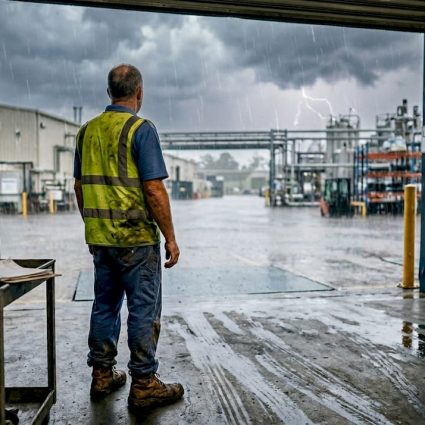
Facility lightning safety workflow for infrastructure
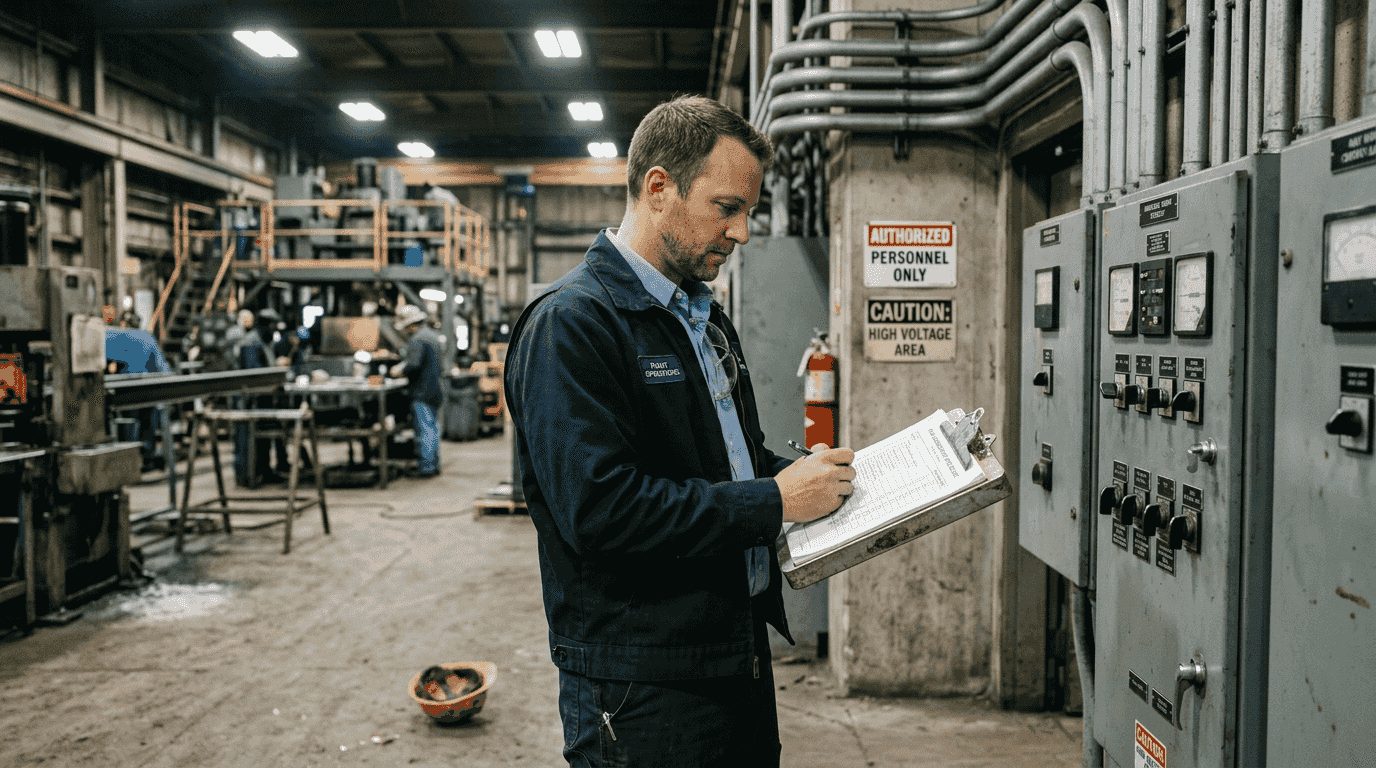
Lightning strikes industrial facilities with devastating force, causing millions in damage annually and threatening both infrastructure and personnel safety. Without a structured approach to lightning protection, facility managers face unpredictable risks that can halt operations, damage critical equipment, and create serious safety hazards. This guide provides a comprehensive workflow to implement effective lightning safety measures that protect your infrastructure while maintaining operational continuity and regulatory compliance.
Table of Contents
- Understanding The Problem: Lightning Risks In Industrial Facilities
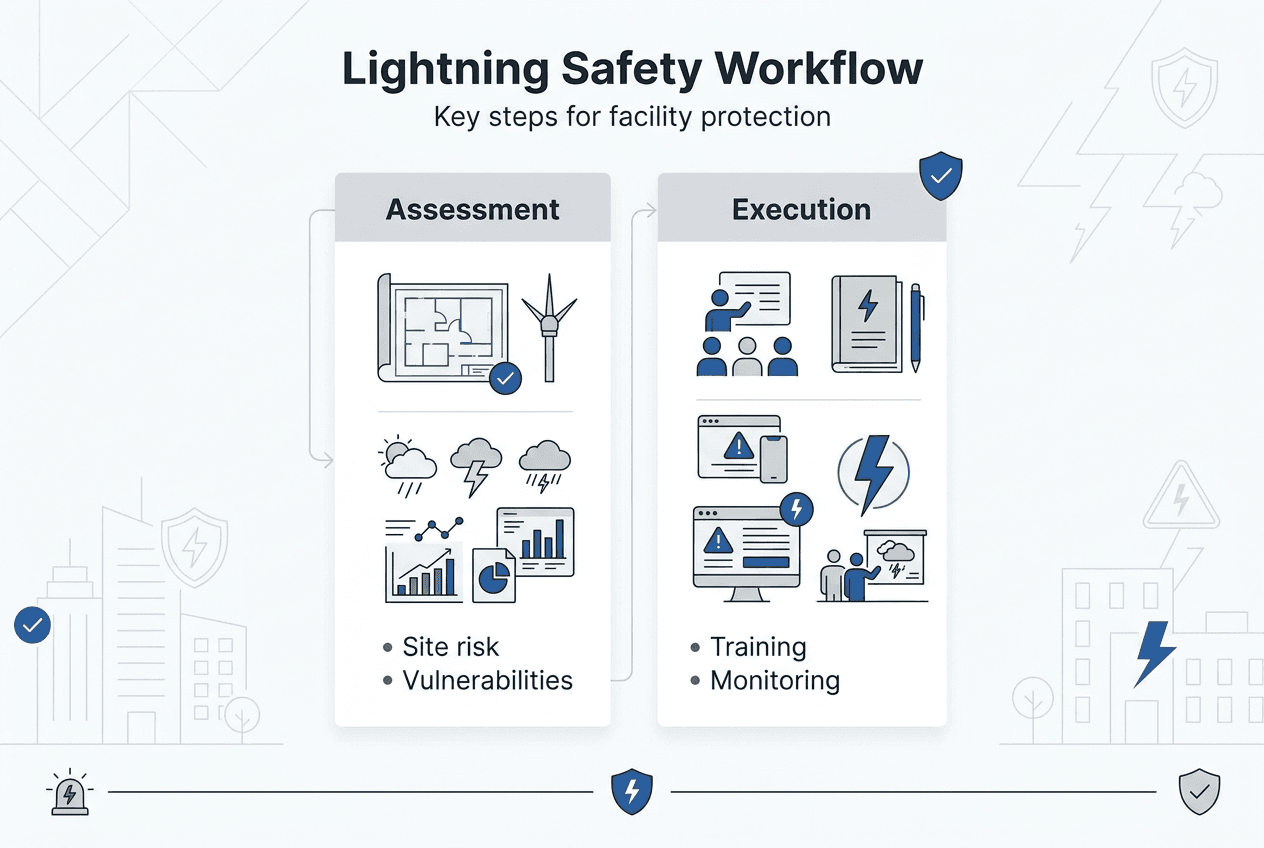
- Preparation: Assessing Facility Risk And Planning Your Lightning Safety Workflow
- Execution: Implementing And Maintaining Your Lightning Safety Workflow
- Verification And Continuous Improvement: Monitoring And Refining Your Lightning Safety Workflow
- Explore Advanced Lightning Protection Solutions By Indelec
- Frequently Asked Questions
Key takeaways
| Point | Details |
|---|---|
| Structured workflow essential | A systematic approach to lightning safety reduces risk and ensures comprehensive infrastructure protection |
| Assessment drives decisions | Thorough site evaluation identifies vulnerabilities and informs cost-effective protection strategies |
| Implementation requires precision | Correct installation, staff training, and maintenance schedules maintain system effectiveness |
| Continuous verification critical | Regular audits and performance monitoring ensure ongoing protection and compliance |
Understanding the problem: lightning risks in industrial facilities
Industrial facilities face unique vulnerabilities to lightning strikes that can cascade into catastrophic failures. Direct strikes can ignite flammable materials, destroy electronic control systems, and compromise structural integrity. Indirect effects like electromagnetic pulses damage sensitive equipment even when strikes occur hundreds of feet away. The financial impact extends beyond immediate repair costs to include production downtime, supply chain disruptions, and potential liability issues.
Common vulnerability points in industrial settings include elevated structures like storage tanks and chimneys, metallic piping systems that conduct electrical surges, and exposed electrical infrastructure. Control rooms housing critical automation equipment are particularly susceptible to electromagnetic interference. Outdoor equipment installations, communication towers, and loading docks create additional risk exposure that demands systematic protection.
Regulatory frameworks mandate specific lightning protection standards for industrial facilities. Non-compliance can result in insurance complications, legal liability, and safety violations. OSHA requirements and industry-specific codes establish minimum protection thresholds that facility managers must meet. Beyond regulatory obligations, inadequate protection exposes workers to serious injury risks and creates potential for environmental incidents if hazardous materials are involved.
Ad hoc approaches to lightning safety leave dangerous gaps in protection coverage. Lightning protection system application requires integrated planning that addresses all facility vulnerabilities simultaneously. Random equipment installations without comprehensive site assessment waste resources while failing to provide adequate safety margins. A structured workflow ensures systematic coverage, proper equipment selection, and verifiable protection levels.
Without a documented workflow, lightning safety becomes reactive rather than preventive, leaving facilities vulnerable to predictable risks that proper planning eliminates.
Preparation: assessing facility risk and planning your lightning safety workflow
Effective lightning protection begins with comprehensive risk assessment that identifies site-specific vulnerabilities and establishes protection priorities. Start by documenting your facility’s geographic lightning exposure using historical strike data and regional weather patterns. Evaluate building heights, structural materials, and equipment configurations that influence strike probability. Consider operational factors like hazardous material storage, critical process equipment, and personnel exposure areas that demand enhanced protection.
Risk evaluation tools help quantify threat levels and justify protection investments. Lightning density maps show average annual strikes per square kilometer in your region. Facility audits catalog vulnerable assets and estimate potential loss scenarios. Cost-benefit analysis compares protection system expenses against expected damage reduction. These assessments provide objective data for designing workflows that balance safety requirements with budget realities.
Designing your workflow requires mapping protection needs to facility operations and maintenance capabilities. Identify decision points where inspections, testing, or equipment upgrades trigger specific actions. Establish clear roles and responsibilities for safety officers, maintenance teams, and external contractors. Document procedures for routine monitoring, emergency response, and post-incident evaluation. Your workflow should integrate seamlessly with existing safety management systems rather than creating isolated processes.
Equipment selection must address technical requirements while respecting financial constraints. Combining lightning safety and budget constraints involves prioritizing critical assets and phasing installations strategically. Air terminals, down conductors, and grounding systems form the basic protection architecture. Surge protection devices safeguard electrical and electronic systems. Consider system scalability to accommodate future facility expansions without complete redesigns.
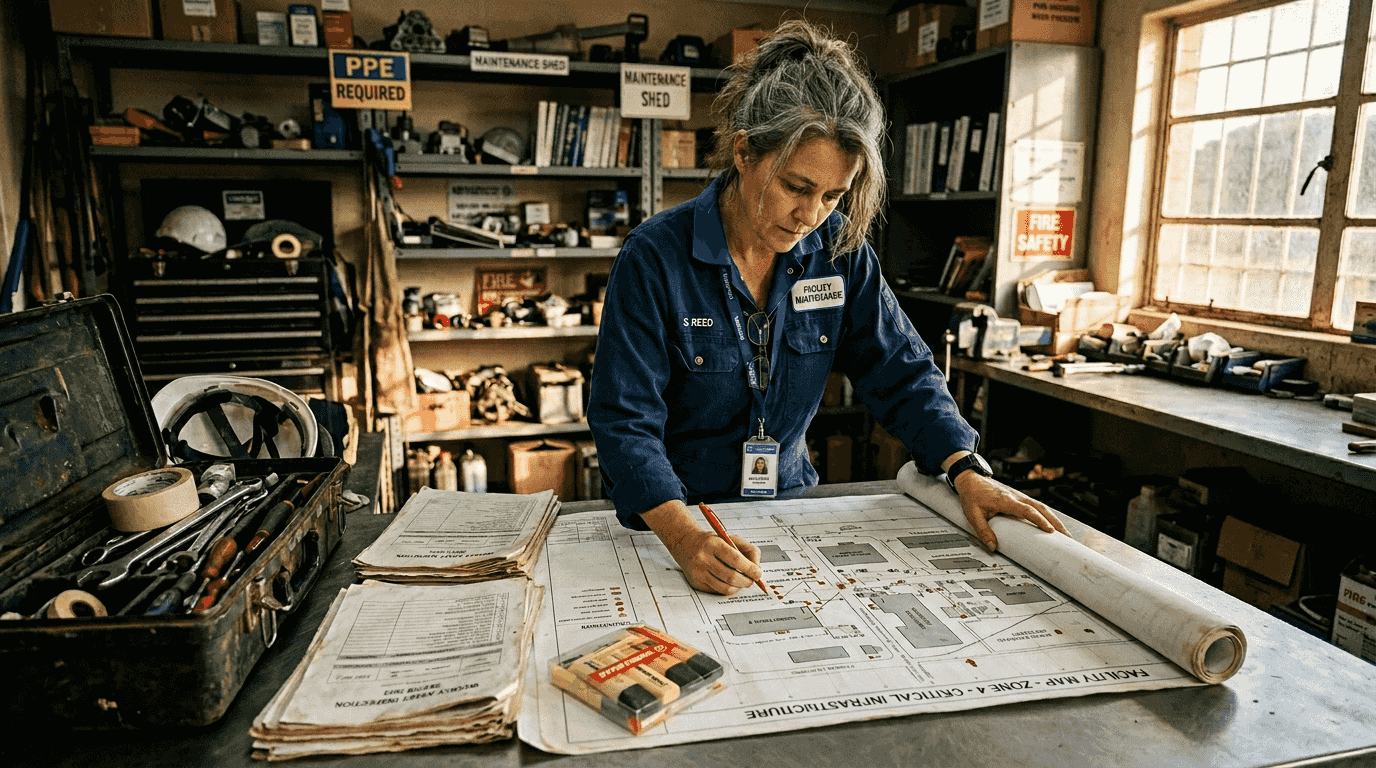
Pro Tip: Create a detailed site map marking all protection components, vulnerable assets, and inspection access points. This visual reference streamlines maintenance activities and helps new personnel quickly understand your lightning safety infrastructure.
Documentation establishes accountability and provides reference materials for ongoing workflow execution. Record assessment findings, equipment specifications, installation details, and maintenance schedules in centralized databases. Include manufacturer datasheets, compliance certificates, and inspection reports. Proper documentation supports insurance claims, regulatory audits, and continuous improvement initiatives.
| Assessment Component | Key Considerations | Documentation Required |
|---|---|---|
| Geographic exposure | Strike density, terrain features, regional patterns | Lightning maps, historical data |
| Structural vulnerability | Building height, materials, equipment placement | Site surveys, asset inventory |
| Operational risk | Critical processes, hazardous materials, personnel areas | Risk matrices, loss scenarios |
| Protection requirements | Standards compliance, insurance mandates | Regulatory codes, policy terms |
Execution: implementing and maintaining your lightning safety workflow
Installation execution demands precision and adherence to engineering specifications that ensure system effectiveness. Begin with proper grounding system installation, as inadequate grounding undermines all other protection measures. Ground rods must achieve specified resistance levels in your soil conditions, sometimes requiring chemical treatment or additional electrodes. Down conductors need direct paths to ground without sharp bends that create impedance. Air terminals require strategic placement based on rolling sphere calculations that determine protection zones.
Correct installation practices prevent common failures that compromise protection. Lightning protection system design and installation demonstrates proven approaches for complex industrial environments. Bonding all metallic systems eliminates potential differences that cause side flashes. Surge protection devices need proper sizing and coordination to handle expected current levels. Quality installation by trained technicians ensures systems perform as designed when lightning strikes occur.
- Establish site safety protocols and coordinate with operations to minimize disruptions during installation activities.
- Install grounding system components first, testing resistance values before proceeding with above-ground elements.
- Mount air terminals at designated locations using secure fasteners rated for wind and weather exposure.
- Route down conductors along structural paths that avoid obstacles and maintain required spacing from building systems.
- Install surge protection devices at service entrances and critical equipment locations with proper disconnect provisions.
- Bond all metallic systems including piping, cable trays, and structural steel to equalize potential during strikes.
- Conduct system testing to verify continuity, resistance values, and proper surge device operation.
- Document installation details with photographs, test results, and as-built drawings for maintenance reference.
Training ensures personnel understand their roles in maintaining lightning safety and responding to incidents. Safety officers need comprehensive knowledge of system operation, inspection procedures, and emergency protocols. Maintenance staff require hands-on training for routine testing and minor repairs. All facility personnel should recognize lightning warning signs and know evacuation procedures. Regular drills reinforce training and identify workflow gaps before actual emergencies occur.
Maintenance schedules preserve system integrity through regular inspections and proactive repairs. Annual comprehensive inspections verify all components remain properly connected and functional. Visual checks after severe storms identify obvious damage requiring immediate attention. Testing programs measure grounding resistance, surge device status, and system continuity. Preventive maintenance addresses corrosion, loose connections, and wear before they compromise protection.
Pro Tip: Schedule inspections during seasonal shutdowns or low-activity periods to minimize operational impact. Use inspection checklists that prompt technicians to examine every critical component systematically.
Real-time monitoring systems provide early warning of system degradation and lightning approach. Strike counters record direct hits and near misses, documenting facility exposure over time. Continuous ground resistance monitoring detects soil condition changes that affect system performance. Lightning detection networks offer advance warning when storms approach, allowing personnel to implement safety protocols before strikes occur.
Verification and continuous improvement: monitoring and refining your lightning safety workflow
System audits verify protection effectiveness and identify improvement opportunities through systematic evaluation. Third-party inspections provide objective assessments of installation quality and standards compliance. Internal audits check workflow adherence and documentation completeness. Performance testing measures actual system characteristics against design specifications. Audit findings drive corrective actions and workflow refinements that enhance protection levels.
Monitoring approaches range from manual inspections to automated systems that provide continuous oversight. Manual methods rely on scheduled technician visits using standardized checklists and testing equipment. Automated systems employ sensors and data loggers that track key parameters continuously. Hybrid approaches combine periodic detailed inspections with automated monitoring of critical functions. Selection depends on facility risk levels, budget availability, and operational requirements.
| Monitoring Approach | Advantages | Limitations | Best Applications |
|---|---|---|---|
| Manual inspection | Lower cost, comprehensive evaluation | Periodic only, labor intensive | Smaller facilities, lower risk |
| Automated monitoring | Continuous data, early warning | Higher cost, technical complexity | Critical facilities, high exposure |
| Hybrid system | Balanced coverage, cost effective | Requires coordination | Most industrial applications |
Incident analysis transforms lightning events into learning opportunities that strengthen protection. Document every strike occurrence with details about location, damage, and system response. Investigate why protection succeeded or failed in specific circumstances. Compare actual performance against design assumptions to validate engineering approaches. Share findings across your organization to improve understanding and reinforce training.
Collecting performance data builds evidence for workflow effectiveness and guides resource allocation. Track metrics like system uptime, inspection completion rates, and corrective action turnaround times. Monitor costs for maintenance, repairs, and upgrades against protection benefits. Analyze trends that reveal emerging issues before they become serious problems. Highly sensitive installations lightning protection solutions require especially rigorous data collection to ensure critical operations remain protected.
Updating procedures maintains workflow relevance as facilities evolve and technologies advance. Review workflows annually to incorporate lessons learned from incidents and audits. Revise training materials to address identified knowledge gaps. Adjust inspection frequencies based on actual system performance and failure patterns. Integrate new protection technologies that offer improved performance or cost advantages.
Feedback loops ensure continuous improvement by systematically incorporating stakeholder input. Maintenance technicians provide practical insights about equipment reliability and procedure effectiveness. Safety officers identify training needs and protocol gaps. Operations personnel highlight workflow impacts on production activities. External auditors offer objective perspectives on compliance and best practices. Regular review meetings synthesize these inputs into actionable improvements.
- Schedule quarterly workflow reviews with key stakeholders to discuss performance metrics and improvement opportunities.
- Benchmark your lightning safety practices against industry standards and peer facilities to identify enhancement possibilities.
- Invest in ongoing training that keeps personnel current with evolving technologies and regulatory requirements.
- Maintain detailed records that support continuous improvement initiatives and demonstrate due diligence to regulators and insurers.
Explore advanced lightning protection solutions by Indelec
Implementing an effective lightning safety workflow requires reliable protection systems backed by proven technology and expert support. Indelec’s advanced ESE lightning rods deliver higher efficiency than conventional systems, providing broader coverage with fewer installation points. This efficiency translates to lower installation costs and simplified maintenance while maintaining superior protection levels for your critical infrastructure.

Comprehensive lightning protection system application services support every workflow phase from initial assessment through ongoing verification. Expert engineers design customized solutions that address your facility’s unique vulnerabilities and operational requirements. Detailed design examples demonstrate proven approaches for complex industrial environments. Partnering with Indelec ensures your lightning safety workflow delivers maximum infrastructure protection with confidence in system performance and regulatory compliance.
Frequently asked questions
What is a facility lightning safety workflow and why is it important?
A facility lightning safety workflow is a structured, step-by-step process that systematically manages lightning risks through assessment, implementation, and continuous monitoring. It ensures comprehensive protection by addressing all vulnerability points rather than applying ad hoc solutions. This organized approach minimizes infrastructure damage, maintains operational continuity, and demonstrates regulatory compliance. Without a documented workflow, facilities risk gaps in protection that leave critical assets vulnerable to predictable lightning hazards.
How often should lightning protection systems be inspected and maintained?
Conduct comprehensive annual inspections that verify all system components remain properly connected and functional. Perform additional visual checks after severe storms or any direct lightning strikes to identify obvious damage requiring immediate attention. Test grounding resistance and surge protection devices at least yearly, or more frequently in harsh environments. Facilities in high-exposure regions or with critical operations may benefit from semi-annual detailed inspections.
What are common mistakes to avoid when implementing lightning safety workflows?
Neglecting thorough risk assessment leads to inadequate protection that misses critical vulnerabilities. Improper installation by unqualified contractors compromises system effectiveness regardless of equipment quality. Failing to train staff on inspection procedures and emergency protocols creates dangerous knowledge gaps. Skipping regular maintenance allows minor issues to escalate into serious failures. Inadequate documentation prevents effective audits and continuous improvement. Each mistake undermines protection and increases facility risk unnecessarily.
Can existing industrial facilities upgrade their lightning safety workflow without major disruptions?
Yes, phased implementation allows systematic upgrades that minimize operational impact while progressively improving protection. Start with critical asset protection and expand coverage methodically based on risk priorities. Schedule installation activities during planned shutdowns or low-production periods. Targeted assessments identify high-priority improvements that deliver maximum safety benefits with minimal disruption. Expert planning and project management ensure smooth integration of enhanced protection measures into existing facility operations.