Key components of a protection system for industrial safety
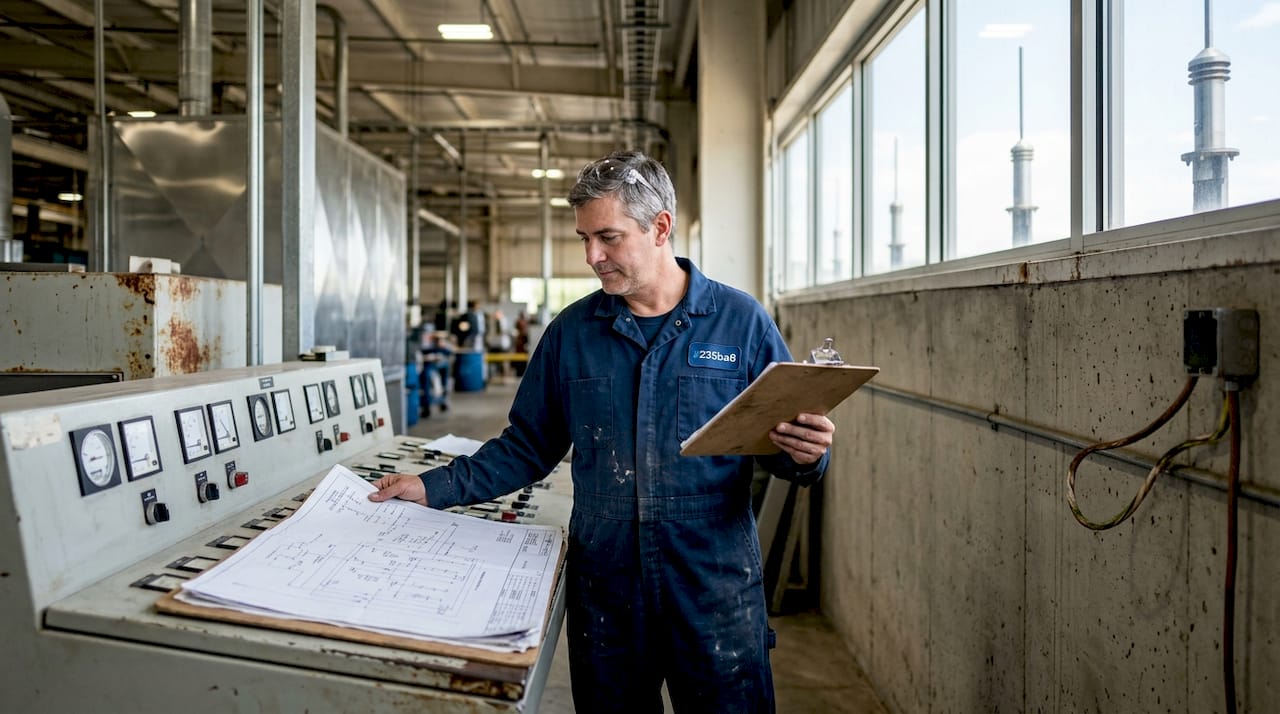
Industrial facilities face significant lightning strike risks that can cause equipment damage, operational downtime, and safety hazards. Selecting the right protection system components requires understanding how air terminals, down conductors, grounding systems, surge protective devices, and monitoring tools work together to safeguard your facility. This guide walks facility managers and engineering consultants through the essential criteria for evaluating components, compares performance characteristics, and provides practical recommendations for designing effective lightning protection systems that meet regulatory standards and operational needs.
Table of Contents
- Key takeaways
- Evaluating criteria for selecting protection system components
- Core components of a lightning protection system
- Comparing lightning protection components: performance and suitability
- Decision guide: choosing the right protection system for your industrial site
- Explore expert lightning protection solutions from Indelec
- FAQ
Key Takeaways
| Point | Details |
|---|---|
| Site risk assessment | Assess lightning frequency, building height, equipment sensitivity, and potential consequences to target protections where they are most needed. |
| Standards compliance | Follow NFPA 780, IEC 62305, and local codes to meet minimum performance requirements and reduce liability. |
| Environmental considerations | Soil resistivity, corrosion exposure, temperature, humidity, and pollution influence component choice and maintenance plans. |
| Total cost of ownership | Evaluate long term value by comparing maintenance needs, durability, and system reliability rather than just upfront cost. |
Evaluating criteria for selecting protection system components
Choosing the right components for your lightning protection system starts with a thorough assessment of site specific factors and operational requirements. Selecting components requires assessment of site-specific risks, compliance with standards, and operational functionality to ensure your facility receives adequate protection. The evaluation process must account for multiple variables that influence both immediate performance and long term reliability.
Risk assessment forms the foundation of component selection. You need to evaluate lightning frequency in your region, the height and structure of your buildings, the sensitivity of equipment housed within your facility, and potential consequences of lightning strikes. Facilities storing flammable materials or operating critical processes face higher risk profiles that demand more robust protection measures. Understanding your specific threat landscape helps you allocate resources to the most vulnerable areas.
Regulatory compliance cannot be overlooked when selecting components. National and international standards such as NFPA 780, IEC 62305, and local building codes establish minimum requirements for lightning protection systems. These standards specify performance criteria for air terminals, conductor sizing, grounding resistance values, and surge protection device ratings. Ensuring your selected components meet or exceed these requirements protects your facility from legal liability and insurance complications.
Environmental conditions significantly impact component performance and longevity. Soil resistivity affects grounding system design, while coastal facilities must account for corrosion from salt exposure. Temperature extremes, humidity levels, and atmospheric pollution influence material selection and maintenance intervals. Components must withstand your specific environmental stresses without degradation.
Compatibility with existing infrastructure streamlines installation and reduces costs. Your protection system must integrate seamlessly with electrical systems, structural elements, and operational processes without creating new hazards or disrupting facility functions. Consider how components will interface with building materials, electrical panels, and sensitive equipment.
Pro Tip: Calculate total cost of ownership rather than just initial purchase price. Components with higher upfront costs often deliver better long term value through reduced maintenance requirements, longer service life, and superior performance during lightning events.
Core components of a lightning protection system
A comprehensive lightning protection system consists of five primary components that work together to intercept, conduct, and dissipate lightning energy safely. Lightning protection systems incorporate air terminals, down conductors, grounding systems, surge protective devices, and monitoring tools to provide complete facility protection. Understanding each component’s function helps you design an integrated system that addresses all aspects of lightning risk.
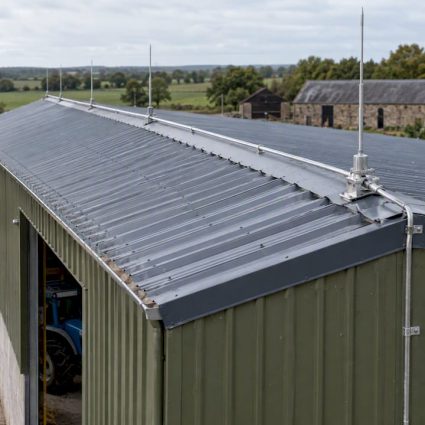
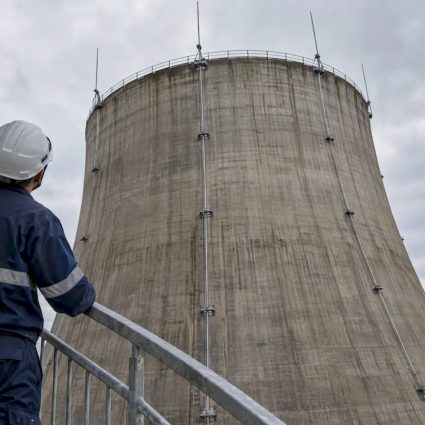
Air terminals serve as the primary strike receptors, positioned at the highest points of your facility to intercept lightning before it contacts sensitive structures or equipment. These devices come in several configurations including conventional Franklin rods, mesh systems, and Early Streamer Emission devices. The choice depends on your facility’s size, shape, and protection requirements. Air terminals must provide adequate coverage zones to shield all vulnerable areas.
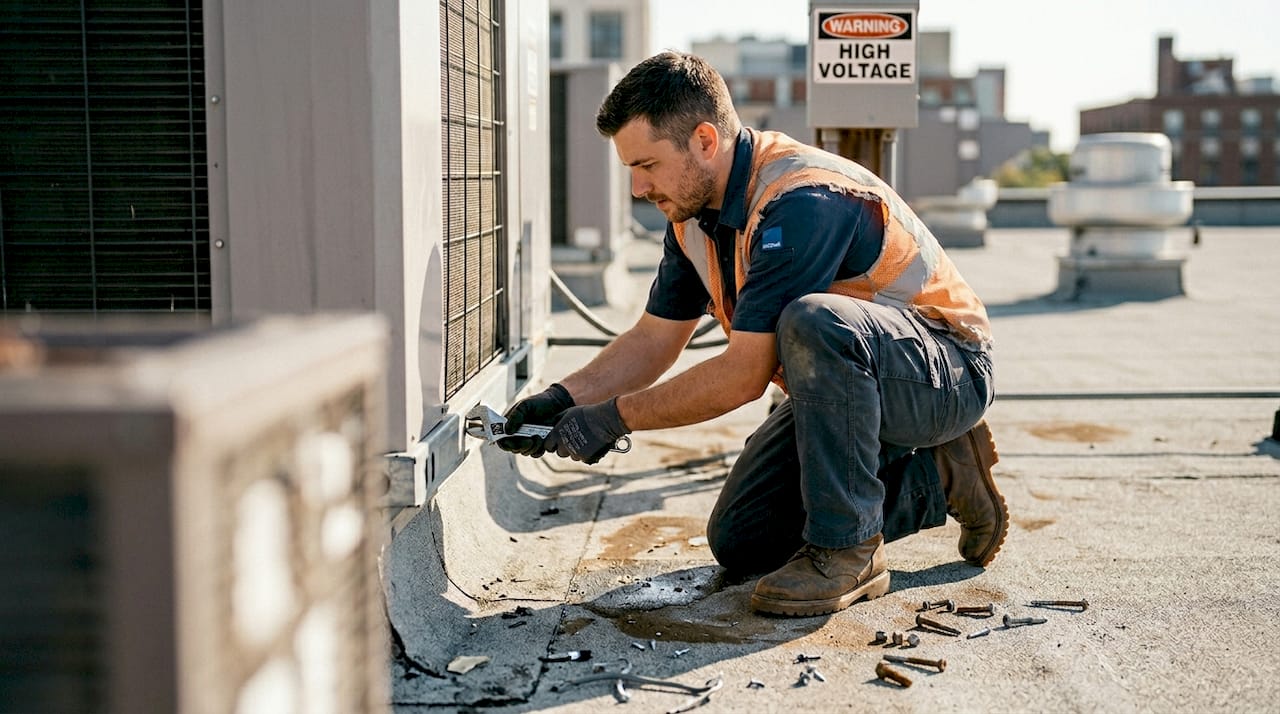
Down conductors create the pathway for lightning current to travel from air terminals to the grounding system. These conductors must be sized appropriately to handle peak current flows without overheating or sustaining damage. Proper routing minimizes sharp bends that could cause side flashing, and multiple down conductors provide redundancy for large structures. The number and placement of down conductors affect overall system reliability.
Grounding systems dissipate lightning energy into the earth, preventing dangerous voltage rises that could damage equipment or injure personnel. Effective grounding requires low resistance connections to earth, typically achieved through ground rods, ground plates, or ground rings depending on soil conditions. The grounding system must maintain stable performance across varying moisture levels and seasonal changes.
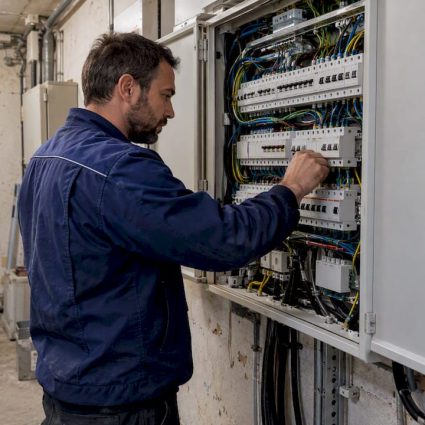
Surge protective devices safeguard electrical and electronic equipment from transient overvoltages caused by lightning strikes. These devices install at service entrances, distribution panels, and sensitive equipment locations to divert surge energy away from vulnerable circuits. SPDs are classified by their surge current capacity and response time, with selection based on the equipment being protected and its location within the facility.
Monitoring systems provide real time detection of lightning activity and system performance. These tools range from simple lightning counters to sophisticated systems that record strike parameters, verify system integrity, and alert maintenance personnel to potential issues. Monitoring capabilities enhance preventive maintenance programs and document protection system effectiveness.
Pro Tip: Integrate all components during the design phase rather than adding protection piecemeal. A holistic approach ensures proper coordination between components and eliminates gaps in coverage that could compromise facility safety.
Comparing lightning protection components: performance and suitability
Selecting optimal components requires understanding how different options compare in terms of performance, maintenance requirements, and application suitability. Different lightning protection components vary in efficiency, maintenance needs, and application suitability based on their design and operational characteristics. This systematic comparison helps you match components to your facility’s specific requirements.
| Component Type | Protection Radius | Response Time | Maintenance Level | Best Application |
|---|---|---|---|---|
| Conventional Rod | 45-60 degree cone | N/A | Low | Simple structures |
| ESE Air Terminal | Extended radius | Microseconds | Low | Complex facilities |
| Mesh System | Area coverage | N/A | Moderate | Flat roofs |
| Ground Rods | N/A | N/A | Low | Standard soil |
| Ground Grid | N/A | N/A | Moderate | Large facilities |
| Class I SPD | N/A | Nanoseconds | Low | Service entrance |
| Class II SPD | N/A | Nanoseconds | Low | Distribution panels |
Air terminal technologies differ significantly in their protection approach. Conventional Franklin rods rely on the rolling sphere method to define protection zones, typically covering areas within a 45 to 60 degree cone from the rod tip. Early Streamer Emission devices extend protection radius by initiating the upward leader earlier during a lightning event, providing broader coverage from fewer installation points. Mesh systems create a network of conductors across roof surfaces, offering comprehensive protection for large flat areas but requiring more extensive installation.
Grounding methods must match soil conditions and facility requirements. Driven ground rods work well in areas with low soil resistivity and adequate moisture, providing cost effective grounding for smaller facilities. Ground grids or rings offer superior performance in challenging soil conditions or for large industrial complexes, distributing lightning energy across a broader area. Chemical enhancement systems improve grounding resistance in high resistivity soils but require periodic replenishment.
Surge protective device selection depends on installation location and protected equipment sensitivity. Class I SPDs install at service entrances to handle direct lightning effects and high energy surges. Class II devices protect distribution panels and branch circuits from induced surges and switching transients. Class III SPDs provide point of use protection for sensitive electronic equipment. Coordinating SPD classes ensures proper energy sharing and prevents device failure.
Monitoring system capabilities range from basic strike counting to comprehensive data acquisition. Simple counters verify that the protection system has experienced lightning activity, supporting maintenance scheduling. Advanced systems record strike current magnitude, waveform characteristics, and location data while continuously monitoring system resistance and continuity. The investment in monitoring technology should align with facility criticality and maintenance strategy.
- Consider total facility coverage when comparing air terminal options
- Evaluate grounding system performance across seasonal soil moisture variations
- Select SPDs with appropriate voltage protection levels for connected equipment
- Choose monitoring systems that integrate with existing facility management platforms
Decision guide: choosing the right protection system for your industrial site
Designing an effective lightning protection system requires synthesizing technical requirements, regulatory obligations, and operational constraints into a cohesive solution. Customized protection system design enhances safety and ensures compliance by addressing your facility’s unique characteristics and risk profile. This systematic approach ensures you select components that deliver optimal performance within budget constraints.
Conduct a comprehensive lightning risk assessment following IEC 62305-2 methodology to quantify your facility’s exposure and determine required protection levels. This analysis considers structure dimensions, contents value, occupancy patterns, and consequences of lightning damage. The risk assessment output guides protection level selection and component specifications.
Map your facility’s physical layout including building heights, roof configurations, equipment locations, and electrical distribution paths. Identify critical areas requiring enhanced protection such as control rooms, data centers, or hazardous material storage. This mapping exercise reveals optimal air terminal placement and down conductor routing.
Evaluate soil conditions through resistivity testing at multiple depths and locations across your site. Soil resistivity measurements determine appropriate grounding system design and may reveal areas requiring special treatment. Testing should occur during different seasons to capture moisture variation effects.
Review applicable codes and standards for your industry and location. Verify that selected components carry appropriate certifications and that your system design meets or exceeds minimum requirements. Document compliance for insurance and regulatory purposes.
Develop a detailed installation plan that coordinates lightning protection work with other facility activities. Consider access requirements, safety procedures, and operational impacts during installation. Plan for testing and commissioning to verify system performance before final acceptance.
Establish a maintenance program with inspection intervals based on component specifications and environmental exposure. Schedule resistance testing, visual inspections, and monitoring system calibration to maintain protection effectiveness over time. Document all maintenance activities to support compliance verification.
Calculate lifecycle costs including installation, maintenance, testing, and potential replacement over a 20 to 25 year service life. Factor in downtime costs and insurance implications when comparing system options. Higher quality components often justify their premium through reduced total ownership costs.
Pro Tip: Engage qualified lightning protection specialists early in the design process. Their expertise helps you avoid costly mistakes and ensures your system integrates properly with facility infrastructure. Professional design and installation significantly improve protection effectiveness and regulatory compliance.
Budget allocation should prioritize critical protection elements while allowing for future expansion. Start with essential components that address the highest risks, then phase in additional protection as resources allow. Ensure that initial installations accommodate planned additions without requiring major modifications.
Integration with facility electrical systems requires careful coordination to prevent ground loops, ensure proper bonding, and maintain surge protection coordination. Work closely with electrical contractors to verify that lightning protection components connect properly to building grounds and that SPD installations follow manufacturer specifications. Proper integration prevents the protection system from creating new hazards.
Explore expert lightning protection solutions from Indelec
Implementing the right lightning protection system requires access to proven components and experienced technical support. Indelec delivers comprehensive lightning protection system application solutions backed by over 65 years of industry leadership and continuous innovation. Our product portfolio includes advanced air terminals, grounding systems, surge protective devices, and monitoring equipment designed for demanding industrial environments.

Recent ESE lightning rods efficiency study results demonstrate the superior performance of our Early Streamer Emission technology, providing extended protection zones that reduce installation costs while improving coverage. Our engineering team provides customized system design services that optimize component selection for your specific facility requirements, ensuring compliance with international standards and local regulations. Explore our lightning protection design example case studies to see how we’ve protected sensitive industrial installations worldwide. Contact our technical specialists to discuss your lightning protection needs and discover solutions that enhance facility safety and operational reliability.
FAQ
What are the essential components of a lightning protection system?
Air terminals intercept lightning strikes at elevated points, down conductors provide current pathways to ground, and grounding systems dissipate energy into the earth. Surge protective devices shield electrical equipment from transient overvoltages, while monitoring systems track lightning activity and verify system integrity. Together, these components create comprehensive protection against direct strikes and induced surges.
How do I determine the best grounding system for my industrial facility?
Test soil resistivity at your site to understand ground conductivity and moisture characteristics. Consider your facility’s size, electrical load, and lightning risk level when selecting between ground rods, grids, or enhanced systems. Consult local codes for minimum resistance requirements, and factor in seasonal variations that affect grounding performance.
What maintenance is required to ensure protection system effectiveness?
Conduct visual inspections annually to check for physical damage, corrosion, or loose connections on air terminals and down conductors. Test grounding resistance every two to three years or after significant lightning events to verify performance remains within specifications. Replace damaged components promptly and recalibrate monitoring systems according to manufacturer recommendations to maintain optimal protection.
Can surge protective devices prevent all equipment damage during a lightning strike?
Surge protective devices significantly reduce equipment damage risk by diverting transient overvoltages away from sensitive circuits. However, extremely close strikes or direct contact may exceed SPD capacity, and proper installation with adequate grounding is essential for effectiveness. Layered protection using coordinated SPDs at multiple locations provides the best defense against lightning induced surges.
How often should lightning protection systems be inspected?
Perform detailed inspections annually, with additional checks after major lightning events or severe weather. High risk facilities or those in areas with frequent lightning activity may require semi annual inspections. Regular testing of grounding resistance and continuity ensures your system maintains protective capability between scheduled inspections.