Benefits of Lightning System Upgrades for Facilities
TL;DR:
- Lightning system upgrades improve lightning protection and surge suppression, reducing equipment damage and fire risks. They lower insurance premiums and enhance operational continuity by preventing surge-related shutdowns and data loss. Proper upgrades involve certified systems that address direct and indirect strikes, ensuring reliable safety and compliance.
Lightning system upgrades are defined as improvements to existing lightning protection and surge suppression infrastructure that reduce fire risk, equipment damage, and operational downtime at industrial and commercial facilities. The benefits of lightning system upgrades extend well beyond basic safety: they lower insurance premiums, protect sensitive electronics like PLCs and SCADA systems, and keep facilities compliant with standards like NFPA 780 and UL 96A. For facility managers responsible for high-value assets and continuous operations, these upgrades are a direct risk management investment, not an optional enhancement.
1. How do lightning system upgrades reduce operational risks?
Upgraded lightning protection systems reduce the risk of fire, electrical failure, and equipment damage caused by direct and indirect strikes. Certified systems intercept and safely disperse lightning current before it reaches internal wiring, control panels, or structural components. Facilities without upgraded systems face fire hazards from uncontrolled current paths and catastrophic failures in automated systems.
Electromagnetic pulses from nearby strikes are a frequently overlooked threat. A strike does not need to hit your building directly to cause damage. Advanced surge devices use frequency tracking technology to mitigate transients caused by lightning strikes up to 0.5 miles away, unlike standard voltage clamps. This matters most for facilities running PLCs and SCADA systems, where a single unexpected reset can corrupt production data or trigger a safety shutdown.
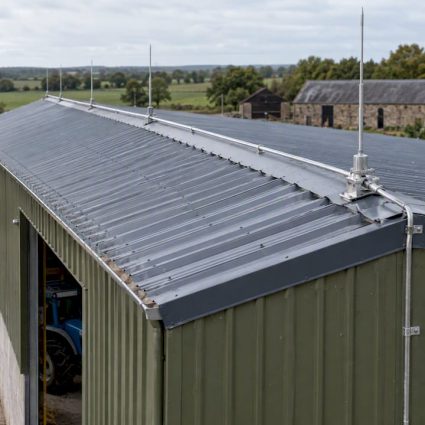
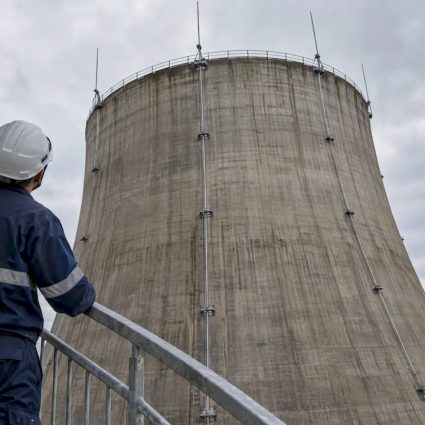
- Direct strike protection: Air terminals and down conductors route current safely to ground, preventing structural fires.
- Indirect surge protection: Frequency tracking surge devices neutralize transients from nearby strikes before they reach control systems.
- Equipotential bonding: Grounding upgrades eliminate voltage differentials that cause equipment damage even when no direct strike occurs.
- Compliance assurance: Systems built to NFPA 780 and UL 96A standards meet insurer and regulatory requirements.
Pro Tip:Schedule a site assessment specifically for indirect strike exposure. Many facility managers focus only on direct strike paths and miss the surge entry points that damage control systems most often.
2. What asset protection advantages do upgraded lightning systems provide?
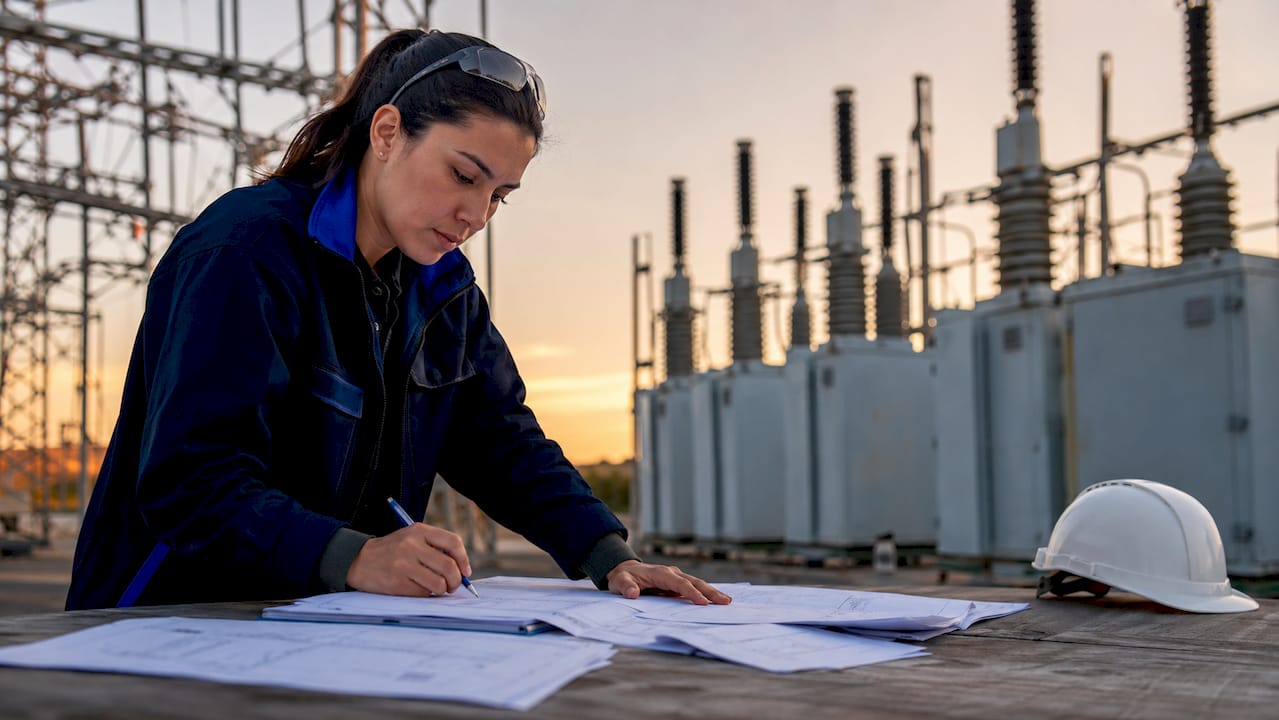
Upgraded systems protect every layer of a facility’s electrical and digital infrastructure. Electrical panels, communication networks, rooftop sensors, and building automation hardware all face damage risk from uncontrolled surge events. A single unprotected strike can destroy multiple asset categories simultaneously.
Grounding and equipotential bonding upgrades are the foundation of asset protection. High-speed surge suppression integrated with proper grounding protects rooftop-mounted sensors and digital assets, adhering to NFPA 780 and UL 96A standards. This design also addresses a measurable increase in industrial strike density, meaning the threat to rooftop equipment is growing, not static.
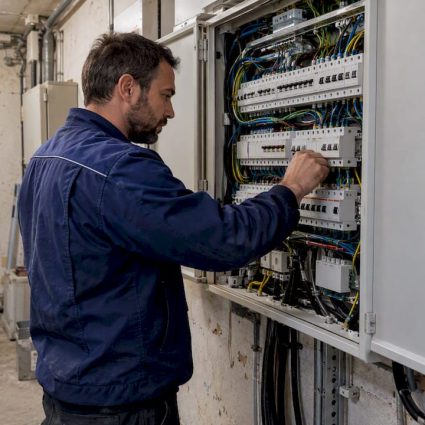
Whole building surge protective devices installed at the electrical panel protect all connected devices by diverting excess voltage to ground. This approach prolongs equipment life and reduces repair costs across the entire facility, not just at individual workstations or machines.
“The cost of installing compliant lightning protection on commercial properties is a small fraction of construction costs but can prevent losses far exceeding installation costs.” — HEX Lightning Protection Guide
The practical asset protection sequence after an upgrade looks like this:
- Air terminals intercept the strike at the point of contact.
- Down conductors carry current away from the structure.
- Grounding systems disperse current safely into the earth.
- Surge protective devices at the panel block residual transients from reaching connected equipment.
- Equipotential bonding eliminates voltage differences between grounded systems.
Each step in this chain prevents a category of damage. Skipping any one of them leaves a gap that a surge event will find.
3. How do lightning system upgrades improve insurance options and reduce premiums?
Certified lightning protection systems directly affect insurance costs. Insurance premiums can be reduced by 10% to 15% when facilities provide UL Master Label certification for their lightning protection. That discount reflects verified risk reduction: insurers treat certified systems as evidence that fire and equipment failure risk has been measurably lowered.
Insurers increasingly require documented surge mitigation to avoid premium surcharges on policies covering sensitive electronics or high-value manufacturing equipment. A facility without a certified system may face higher base premiums and reduced coverage limits on equipment claims. The upgrade pays for itself faster when you account for the annual premium reduction.
Pro Tip:Request a copy of your current policy’s lightning and surge exclusions before your next renewal. Many facilities discover uncovered equipment categories only after filing a claim.
| Certification Level | Insurance Impact | Compliance Standard |
|---|---|---|
| No certified system | Standard or elevated premiums, possible exclusions | None |
| Basic surge protection | Partial credit, limited documentation | Varies by insurer |
| UL Master Label certified | 10%–15% premium reduction, full documentation | UL 96A, NFPA 780 |
Liability exposure also decreases after an upgrade. If a lightning event causes injury or third-party property damage, a certified system demonstrates due diligence. That documentation is a direct defense in liability claims and can determine whether your insurer covers the loss or contests it.
4. In what ways do upgraded lightning systems minimize business interruption?
Business interruption costs from lightning strikes include equipment downtime, data loss, and lost productivity, which can far exceed direct repair costs. An upgraded system keeps equipment functional during storms by blocking the surge events that cause unexpected shutdowns and data corruption.
The most damaging interruptions at industrial facilities are not always caused by direct strikes. Indirect transients from nearby strikes trigger unexplained equipment resets, corrupted process data, and failed communications between control systems. Facilities running continuous processes, cold storage, or automated manufacturing face the highest interruption costs because any unplanned stop carries cascading consequences.
- High-speed surge suppression responds faster than standard protection devices, blocking transients before they reach control systems.
- Real-time monitoring on advanced systems flags surge events as they occur, allowing maintenance teams to assess impact immediately rather than discovering failures hours later.
- Grounding integrity maintained through regular inspection prevents the gradual degradation that makes systems vulnerable to smaller surge events over time.
- Redundant protection layers at the panel, at individual equipment, and at communication lines reduce the chance that any single surge event causes a full operational stop.
Facilities that upgrade their lightning protection systems report fewer unexplained equipment resets and shorter recovery times after storm events. The reduction in interruption frequency compounds over time: fewer stops mean less wear on equipment, fewer emergency maintenance calls, and more predictable production schedules.
5. Comparing types of lightning system upgrades for different facilities
Not every facility needs the same upgrade. The right system depends on facility size, the sensitivity of installed equipment, and applicable compliance requirements. Understanding the differences between upgrade types prevents both underprotection and unnecessary spending.
| Upgrade Type | Best For | Key Feature | Limitation |
|---|---|---|---|
| Basic surge protection | Small commercial properties, low-sensitivity equipment | Voltage clamping at the panel | Does not address indirect transients or frequency-based surges |
| Advanced frequency tracking SPDs | Industrial facilities with PLCs, SCADA, automation | Mitigates transients from strikes up to 0.5 miles away | Higher upfront cost, requires professional installation |
| Full UL Master Label system | Facilities requiring insurance certification or regulatory compliance | Complete air terminal, grounding, and surge suppression system | Requires periodic inspection and recertification |
| IoT-connected monitoring | Facilities with remote management or 24/7 operations | Real-time surge event logging and alerts | Requires network integration and ongoing data management |
Surge protective devices with higher joule ratings offer stronger capacity to safely dissipate large voltage spikes during thunderstorms. Devices designed for industrial applications, such as panel-mounted SPDs rated for commercial loads, outperform common outlet protectors by a significant margin. Selecting the right joule rating for your facility’s exposure level is a technical decision that requires a site assessment, not a catalog comparison.
Facilities with sensitive digital infrastructure should prioritize advanced surge protection that addresses both direct and indirect strike scenarios. Facilities primarily concerned with structural protection and insurance compliance should focus on achieving UL Master Label certification through a complete system installation.
Key takeaways
Upgraded lightning protection systems deliver measurable financial, operational, and compliance benefits that make them a sound investment for any industrial or commercial facility exposed to lightning risk.
| Point | Details |
|---|---|
| Operational risk reduction | Advanced surge devices protect PLCs and SCADA systems from indirect strikes up to 0.5 miles away. |
| Asset protection | Grounding upgrades and panel-level SPDs extend equipment life and prevent multi-system damage from a single surge event. |
| Insurance premium savings | UL Master Label certification reduces premiums by 10%–15% and strengthens liability defense in claims. |
| Business continuity | High-speed surge suppression and real-time monitoring reduce unplanned downtime and data loss during storm events. |
| System selection | Match upgrade type to facility size, equipment sensitivity, and compliance requirements for the best return. |
Indelec’s perspective on getting the most from your upgrade
Facility managers consistently underestimate indirect strike risk. A direct hit is visible and dramatic. An indirect transient is invisible, and it is the one that corrupts your process data at 2 a.m. on a Tuesday. After decades of working with industrial and commercial sites, Indelec has found that the facilities with the most effective protection are the ones that treat surge mitigation as a system, not a product purchase.
The most overlooked step is the site assessment. Most facilities have legacy grounding infrastructure that has never been tested under load conditions. Upgrading to a certified air terminal system without addressing grounding quality is like installing a new roof on a cracked foundation. The lightning protection standards set by NFPA and UL exist precisely because every element of the system must work together.
Compliance with NFPA 780 and UL 96A is not just a regulatory checkbox. It is the mechanism by which your insurer, your regulator, and your operations team can all verify that the system will perform when it matters. Facilities that align their upgrade planning with insurance renewal cycles and regulatory inspection schedules get the fastest return on their investment.
The trend Indelec sees accelerating in 2026 is the integration of IoT monitoring into protection systems. Real-time surge event data changes how maintenance teams operate. Instead of discovering damage after the fact, they see the event, assess the impact, and respond before a minor surge becomes a production stop. That shift from reactive to proactive is where the real long-term value of a modern upgrade lives.
— Indelec
How Indelec helps facilities upgrade with confidence
Indelec has specialized in certified lightning protection since 1955, serving industrial and commercial facilities across global markets. Its solutions cover the full upgrade path: from initial risk assessment and installation through certification and ongoing maintenance.
Indelec designs systems tailored to facility-specific conditions, whether you manage a manufacturing plant with sensitive automation, a data center with continuous uptime requirements, or a commercial property seeking UL Master Label certification for insurance purposes. Every solution is built to meet NFPA 780 and UL 96A requirements. Explore Indelec’s certified protection solutions to find the right upgrade path for your facility’s risk profile and compliance needs.
FAQ
What are the main benefits of lightning system upgrades?
Lightning system upgrades reduce fire risk, protect sensitive equipment like PLCs and SCADA systems, lower insurance premiums by up to 15% with UL Master Label certification, and minimize business interruption from surge-induced downtime.
Why are lightning system upgrades needed for industrial facilities?
Industrial facilities run sensitive control systems and continuous processes that are vulnerable to both direct strikes and indirect transients from strikes up to 0.5 miles away. Upgraded systems with frequency tracking technology address both threat types.
How does surge protection reduce insurance costs?
Facilities with UL Master Label certified lightning protection systems qualify for premium reductions of 10%–15%. Insurers treat certified systems as documented evidence of reduced fire and equipment failure risk.
What standards apply to lightning system upgrades?
NFPA 780 and UL 96A are the primary standards governing lightning protection system design, installation, and certification in the United States. Compliance with both is required for UL Master Label certification and most insurer documentation requirements.
How often should a lightning protection system be inspected after an upgrade?
Inspection frequency depends on the system type and local regulatory requirements, but most certified systems require annual inspection to maintain UL Master Label status and verify grounding integrity.