French Chemical Plant Lightning Protection Starts With ARF
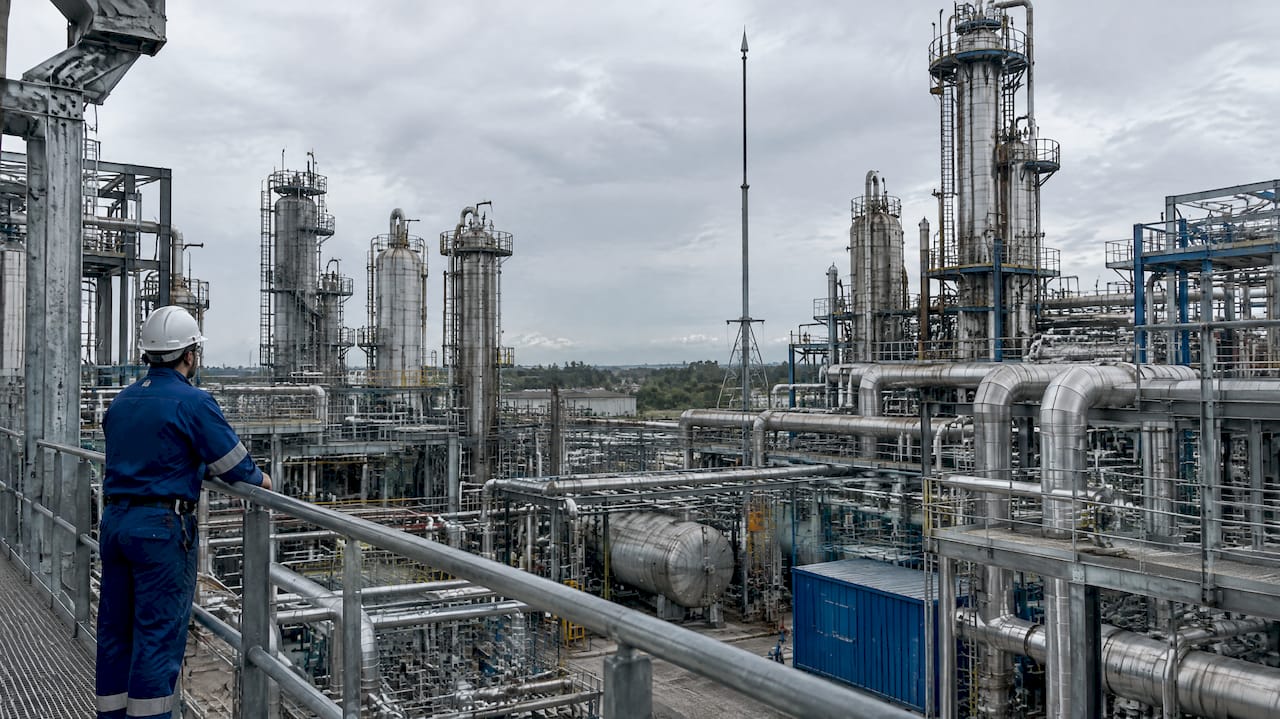
Every chemical plant handling flammable or process-critical operations needs a documented Lightning Risk Assessment (ARF) under NF EN 62305-2. When that assessment shows protection is required, the next steps are a Technical Study (ET) and a certified installation combining external air termination, bonded grounding, and coordinated surge protective devices.
TL;DR:
- French ICPE sites under authorization must complete an ARF under NF EN 62305 Part 2, then update it after any substantial facility change.
- Indirect surges through power, signal, and telecom lines often disrupt instrumentation before direct strikes hit structures, so grounding and coordinated SPDs deserve equal scrutiny.
- The ARF calculates risk and required protection level, while the ET specifies design choices such as mesh size, rod placement, SPD locations, and grounding layout.
- Before acceptance, require complete ARF and ET reports, drawings, test certificates, earthing measurements, SPD coordination charts, and verification by inspectors certified by Qualifoudre.
- Schedule checks annually or as insurers require, replace SPDs after significant surges, and reassess the ARF and ET after major changes or incidents.
Table of Contents
- Why chemical plants face outsized lightning risk
- Regulation and standards that govern protection requirements
- Building the layered defense: air termination to surge protection
- From risk assessment to working system: ARF, ET, and acceptance
- What to put in the RFP: a procurement checklist
- Keeping the system compliant over time
- How Indelec approaches lightning protection for chemical sites
- What actually moves the needle on compliance
- Request an ARF or ET for your facility
- FAQ
- Sources
Why chemical plants face outsized lightning risk
Direct strikes get the attention, but indirect effects usually do the real damage in a chemical facility. Transient overvoltages traveling through power, signal, and telecom lines can disable instrumentation and trigger process upsets long before a direct hit ever reaches the roofline, a pattern industry analysis identifies as a primary threat to process safety.
The hazard profile is specific to the industry:
- Flammable vapor zones and floating-roof tanks can ignite from arcing or induced currents, not just a direct strike.
- Heat-induced failures at bonding points or shunts create long-term reliability risks that are easy to miss during a routine walk-through.
- Lost instrumentation and control signals during a storm can cascade into a full process shutdown, extending downtime well past the storm itself.
These are exactly the conditions regulators have in mind when they describe a Natech event: a natural hazard triggering a technological accident at an industrial site.
Regulation and standards that govern protection requirements
In France, ICPE sites operating under an authorization regime must complete an ARF, and the requirement traces directly to the Arrêté of October 4, 2010, tied to the Article R.512-33 framework. The ARF has to be updated after any substantial change to the facility, not treated as a one-time document filed away at commissioning.
The standards stack breaks down cleanly:
- NF EN 62305-2 governs the risk evaluation that produces the ARF and sets the required protection level.
- NF EN 62305 parts 1, 3, and 4 cover general principles, the physical damage protection system, and internal electrical and electronic system protection.
- Qualifoudre certification is the recognized professional standard for the engineers and inspectors who perform ARF, ET, and verification work in France, as described in INERIS guidance on Natech risk.
A lightning protection system is only as reliable as its weakest coordination point. Technical literature notes that without a low-impedance grounding system, surge protective devices cannot operate as designed, which is why inspectors look for grounding and SPD documentation together rather than as separate line items.
Building the layered defense: air termination to surge protection
A compliant system is never a single device. It is a chain of measures that each handle a different part of the threat, and the chain only works when every link is sized and coordinated correctly.
- Air-termination systems. Rods, meshes, or cages intercept the strike before it reaches process structures; the choice depends on roof geometry, tank layout, and the protection level set by the ARF.
- Down-conductors. Routing matters as much as conductor sizing: poor routing near process piping or instrumentation can create hazardous equipotential differences exactly where you cannot afford them.
- Grounding and equipotential bonding. The goal is low impedance across the whole site, with the lightning protection system earth tied into the facility’s other earthing networks rather than left isolated.
- Surge protective devices. Type 1 SPDs handle the boundary where overhead or incoming lines enter the site, Type 2 units protect downstream distribution panels, and Type 3 devices guard sensitive terminal equipment; placement and selectivity between types is what keeps a surge from skipping past the first line of defense.
- Tank-specific bonding. Floating roofs need reliable bonding rather than shunts that degrade with movement and corrosion; a technical primer on surge protection walks through the coordination logic in more detail.
Pro Tip:Ask for the SPD coordination chart before signing off on installation; a mismatch between Type 1 and Type 2 ratings is one of the most common reasons a protection system underperforms during a real strike.
From risk assessment to working system: ARF, ET, and acceptance
The ARF and the ET answer two different questions, and confusing them is where many procurement conversations go wrong. The ARF reading guidance from INERIS is explicit that the ARF calculates risk, zones the site, and lists the items and functions needing protection, but it does not specify the technical solution.
- The ARF output is a risk number compared against the tolerable threshold set in NF EN 62305-2, which then determines the required protection level.
- The ET translates that level into design parameters: mesh size, rod placement, SPD locations and types, and grounding electrode layout, backed by electrical drawings and stated calculation assumptions.
- Natural structural components, such as steel framing or rebar, can sometimes be accepted as part of the lightning protection system if the ET documents electrical continuity and thickness criteria, which can reduce cost when the structure genuinely qualifies.
- Acceptance should require Qualifoudre verification, as-built earthing measurements, and SPD coordination charts before the system is signed off, as outlined in CAPSE’s explanation of the ARF/ET distinction.
A compliance guide for ICPE sites covers the procurement language that helps keep ARF and ET scopes distinct in a contract.
What to put in the RFP: a procurement checklist
A tender document that only asks for “a lightning protection system” invites vague bids. Specify deliverables and verification items up front so every bidder quotes against the same scope.
- Require the full ARF and ET reports, not summaries, along with single-line and grounding layout drawings and the SPD schedule.
- Require test reports and certificates covering earth resistance, clamp impedance, and conductor continuity, with photographic evidence tied to labeled bonding points.
- Build in coordination with the control-system team so disruptive testing is scheduled around process windows rather than forced into unplanned downtime.
Pro Tip:Write “Qualifoudre-certified verification included” directly into the acceptance clause; it removes ambiguity about who signs off on the final system. A guide to NF EN 62305 RFP requirements has more detail on structuring these clauses, and an inspection readiness checklist covers what site teams should have on hand before an inspector arrives.
Keeping the system compliant over time
A lightning protection system is not an install-and-forget asset. Commission an acceptance test at completion, then schedule periodic checks, typically annual or as an insurer requires, and run a full re-evaluation after any major modification or incident.
- SPDs have a service life tied to surge exposure: replace devices after significant events and track end-of-life indicators rather than waiting for a failure.
- Lightning counters, when installed, give a simple record of strike activity worth reviewing alongside maintenance logs.
- Update the ARF and ET whenever the facility changes meaningfully, a new process hazard is introduced, or a regulator or insurer specifically requests it.
A facility undergoing structural changes, including partial decommissioning of older process units, should treat that work as a trigger for ARF review; guidance on safe sequencing during chemical plant decommissioning is a useful reference when planning that kind of project alongside lightning protection updates.
How Indelec approaches lightning protection for chemical sites
We run ARF, ET, installation, verification, and maintenance as a connected sequence, which helps keep documentation consistent from risk calculation through final sign-off. For chemical facilities specifically, bonding and grounding campaigns are coordinated with SPD layout so the paperwork an inspector asks for already matches what is installed on site. Our lightning protection service page outlines the full scope of this work.

What actually moves the needle on compliance
The industry conversation spends a lot of energy on air-termination hardware, rods, meshes, cage designs, when the harder problem is almost always coordination. A beautifully specified rod on an inadequately bonded structure protects very little, and that gap shows up precisely during the surge event it was meant to prevent.

The conventional advice to “get a lightning rod” treats protection as a single purchase instead of a documented system. What the evidence from process-plant incident analysis actually supports is that indirect effects, the transients entering through power and signal lines, cause more operational damage than direct strikes in chemical facilities. That reorders priorities: grounding integrity and SPD coordination deserve at least as much scrutiny as the air-termination design.
If there is one thing a safety manager should prioritize first, it is insisting on a clean ARF before any equipment conversation starts. Skipping to hardware selection without that risk calculation is how facilities end up with mismatched, undersized, or poorly placed protection that looks complete on paper.
— INDELEC
Request an ARF or ET for your facility
We perform ARF, ET, certified installation, and ongoing maintenance as one continuous service, so the documentation an inspector or insurer asks for is already in hand when you need it. If your plant has never had a formal risk assessment, or if it has been through a significant change since the last one, the next step is requesting an ARF.

When you request a quote, ask for the ARF scope, the ET deliverables it would trigger if protection is needed, and the verification plan for acceptance. Start with our protection contre la foudre services page to see the full range of work we handle.
FAQ
What does French regulation require for lightning protection?
ICPE sites under an authorization regime must complete a Lightning Risk Assessment (ARF) following NF EN 62305-2, per the Arrêté of October 4, 2010. If the ARF shows a protection need, a Technical Study (ET) and certified installation follow.
What counts as the best lightning protection approach for an industrial site?
The strongest approach layers external air termination, bonded grounding, and coordinated surge protective devices rather than relying on any single device. Industry analysis of process plants finds that indirect effects like transient overvoltages often cause more damage than direct strikes, so grounding and SPD coordination matter as much as the rod itself.
What makes up a lightning protection system?
A complete system includes air-termination elements (rods, meshes, or cages), down-conductors routed to avoid hazardous potential differences, a low-impedance grounding and bonding network, and surge protective devices coordinated across incoming power, telecom, and signal lines. The ARF and ET process determines which combination of these elements a given site needs.
What are the three types of surge protective devices?
Type 1 SPDs protect the boundary where incoming lines enter a facility, Type 2 devices protect downstream distribution panels, and Type 3 units guard sensitive terminal equipment closest to the load. Correct coordination between these types, rather than any one type alone, is what keeps a surge from passing through to equipment.
Sources
- Arrêté relatif à la protection contre la foudre (4 October 2010) — Legifrance
- INERIS guidance on Natech and lightning protection
- Protecting process-plant operations from the impacts of lightning — Chemical Engineering
- Fiche de lecture d’une ARF — INERIS / Qualifoudre guidance