Listed Building Lightning Protection in France: Limit Fabric Damage
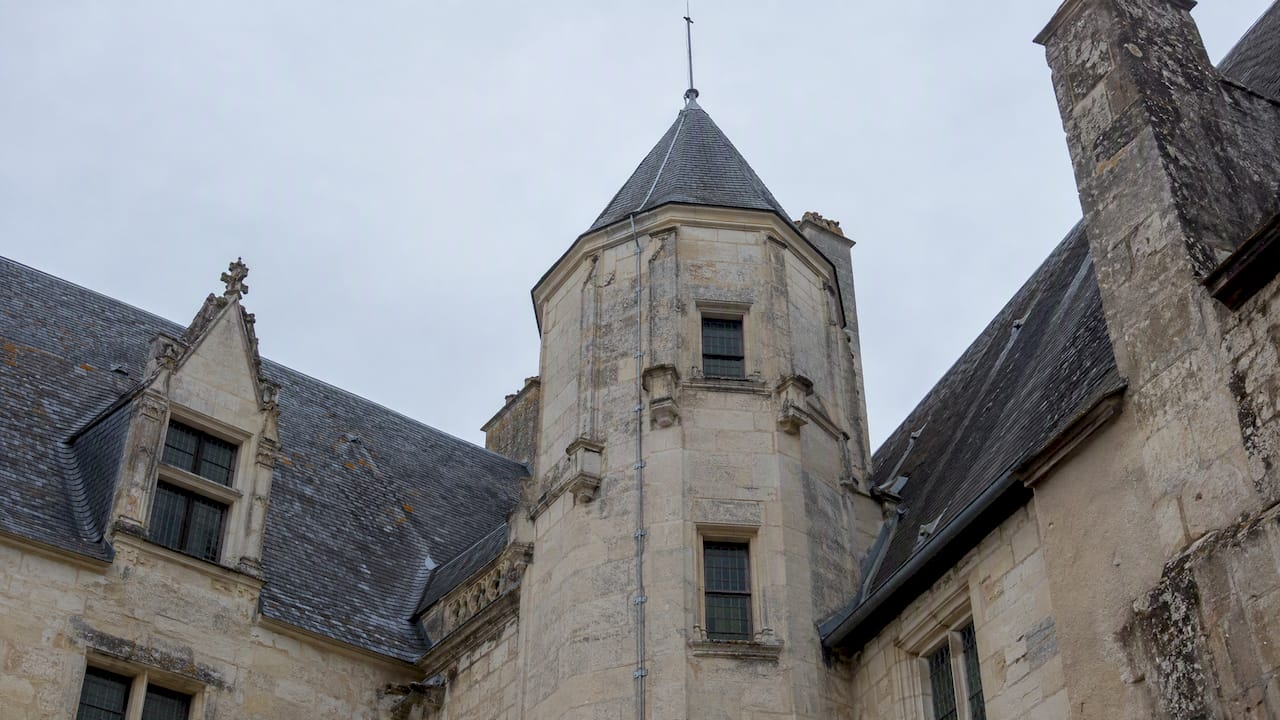
Yes, we can protect a classé or inscrit building from lightning in France, but the law requires a specific sequence: start with an Analysis du Risque Foudre (ARF) under NF EN 62305-2, then coordinate with the DRAC before any device touches the fabric. Skipping that order risks both rejected permits and an ineffective system. Commission a qualified ARF and Étude Technique (ET) first, and ask for a design that limits visual impact while including surge protection and a maintenance notice.
TL;DR:
- Commission a lightning risk assessment under Standard 62305 Part 2 to establish need and protection level; a technical study then specifies equipment placement and maintenance.
- Listed monuments require four months’ notice before work; consult heritage authorities and monument architects early, with scaled plans and a visual impact statement.
- Concealed conductor routes and reversible fixings limit damage to historic fabric; internal surge protection and specialist review reduce hazards from bonding historic metalwork.
- Schedule annual visual checks, full continuity and earth resistance testing every two years, and a targeted inspection within one month after any recorded strike.
Table of Contents
- Why the ARF and Étude Technique come before any installation
- Which French standards actually govern the installation
- Working with DRAC, ACMH and the heritage permissions process
- Design choices that respect the building’s fabric and appearance
- Installation, verification and the records you need to keep
- A practical checklist from ARF to final sign-off
- Adapting the approach to different kinds of listed structures
- Coordinating with heritage authorities beyond the DRAC
- What successful heritage installations in France have in common
- What to do immediately after a strike on a listed building
- Fitting lightning protection around other conservation work
- How we approach heritage-sensitive lightning protection projects
- How we can help with your listed building project
- FAQ
- Sources
Why the ARF and Étude Technique come before any installation
The ARF is the risk calculation that decides whether a building needs protection at all, and if so, at what level. It follows NF EN 62305-2 methodology, weighing strike frequency, building use, occupancy and consequences of a strike, then assigning one of four protection levels, with Level I offering the highest interception efficiency and Level IV the lowest.
Once the ARF sets the level, the Étude Technique translates it into a buildable plan. The ET defines:
- Where air terminals, down conductors and earth electrodes will sit
- Which protection measures address the specific risks the ARF identified
- A maintenance notice and the carnet de bord that will track the installation’s life
For installations where a lightning strike could affect safety or the environment, the Arrêté du 4 October 2010 makes the ARF and ET mandatory, along with set deadlines for implementation and periodic verification. Heritage buildings rarely fall under the arrêté’s ICPE scope directly, but the same ARF/ET logic is the accepted professional standard DRAC services expect to see before approving works on a monument historique.
Which French standards actually govern the installation
Three parts of NF EN 62305 cover the technical ground: Part 2 for risk assessment, Part 3 for the physical system design (air termination, down conductors, earthing, bonding), and Part 4 for protecting internal electrical and electronic systems. A fourth logical layer, maintenance, runs through the whole standard and sets the inspection cadence contractors must follow.
Practical points to confirm with any installer:
- The ARF and ET must reference NF EN 62305-2 explicitly, not a generic risk statement
- Verification intervals and competent-organism requirements trace back to the Arrêté du 4 October 2010, Articles 16 through 23
- NF C guidance applies to earthing and bonding details where the system interfaces with the building’s existing electrical network
For sensitive or industrial sites near heritage structures, the INERIS training note RA06 is a useful technical reference on risk evaluation and protection against both direct and indirect lightning effects. Our lightning standards overview walks through how these parts fit together for a given project.
Working with DRAC, ACMH and the heritage permissions process
Listed status changes the approval path entirely. Before touching a classé or inscrit building, owners must notify the authorities, and the Code du patrimoine requires four months’ prior notice before works begin on a classé monument, with the state’s scientific and technical control (CST) supervising the project throughout.
- Submit a works application to the DRAC (Direction Régionale des Affaires Culturelles) with enough technical detail for CST review.
- Expect the Architecte en Chef des Monuments Historiques (ACMH) to review device siting, fixing methods and any masonry penetration.
- Budget time for archaeological oversight if earth electrodes require trenching near foundations or in a protected zone.
- Prepare a diagnostic, scaled plans, photographs and a visual impact statement as standard DRAC submission documents.
A documented restoration of the flèche at Bordeaux’s Saint Michel basilica shows this process in practice: the paratonnerre at the top of the spire was brought up to current standards as part of a phased restoration under DRAC, CRMH and ACMH oversight, with each stage documented and coordinated rather than treated as a standalone electrical job.
Design choices that respect the building’s fabric and appearance
Heritage-sensitive design starts with the question the ARF already answered: how much protection does this structure actually need, and where. For many churches and towers, a tower-only system, protecting the highest point without running cabling across the whole roofscape, is the solution Historic England recommends when the risk assessment supports it, since it minimizes both visual impact and the amount of fixing into historic material.
Where a full system is needed, several choices keep intervention light:
- Route down conductors through existing voids, behind rainwater goods, or along less visible elevations
- Use clamped or bonded fixings instead of drilled anchors wherever the substrate allows
- Specify earth electrodes placed away from known archaeological strata, confirmed with DRAC beforehand
Internal surge protection (parafoudres) matters as much as the external system, since indirect effects travel through wiring and metalwork. Bonding to historic metalwork such as bell frames needs particular care: uncontrolled bonding can introduce new hazards rather than remove them, so Church of England and Historic England guidance both call for a specialist to confirm separation distances before any connection is made.
Pro Tip:Specify the required separation distance first; only move to deliberate bonding of nearby metalwork when the geometry of the building makes true separation impossible to achieve.
Installation, verification and the records you need to keep
A compliant system is only as good as its documentation. The Arrêté du 4 October 2010 sets out the verification cadence that any installer should build into the handover package:
- An annual visual inspection checking fixings, conductors and visible corrosion.
- A complete verification, including continuity and earth resistance testing, every two years.
- A targeted check within one month of any recorded strike, before assuming the system is still fully functional.
The maintenance notice and carnet de bord should record the original design, installation dates, every test result, and any strike events the system logs, following best practices like those detailed in Same Day Repairs: Fixed Wire Testing for UK Commercial Properties. Parafoudres have a finite service life and should be replaced once their indicator shows end-of-life or after they absorb a surge beyond their rated discharge capacity. Following a confirmed strike, a full inspection of air terminals, conductors and earth connections should happen before the building is treated as fully protected again.
A practical checklist from ARF to final sign-off
Mapping the whole process in order helps owners budget time as well as money:
- Commission the ARF to confirm whether protection is required and at what level
- Have the ET produced, defining device placement, protection measures and the maintenance notice
- Open dialogue with DRAC and ACMH before finalizing design details, not after
- Tender to contractors who can show heritage project experience and sample fixing details
- Install with any required archaeological supervision clause already in the contract
- Carry out initial verification and hand over the carnet de bord
DRAC consultation windows vary, but the Code du patrimoine’s four-month notice period for classé monuments is the minimum buffer to plan around, and starting dialogue early avoids the most common cause of delay: a design submitted without prior heritage input. Our facility manager guide to ARF-first planning covers this sequencing in more detail.
Adapting the approach to different kinds of listed structures
A medieval stone tower, a timber-framed manor and a nineteenth-century cast-iron market hall each demand a different physical approach, even when the ARF outcome looks similar on paper.
On rubble-filled stone towers, down conductors generally run externally along a discreet elevation, fixed with clamps rather than drilled anchors, since the core material can be unpredictable and drilling risks opening voids. On timber-framed buildings, the priority shifts toward keeping conductors clear of combustible structural members and ensuring any earth electrode sits well clear of buried foundation timbers. Lead or copper roofing, common on many classified structures, needs bonding details that avoid galvanic corrosion between the roofing metal and the conductor material chosen.

Buildings with existing decorative ironwork, balustrades, weathervanes, flagpoles, often already function as informal air terminals and need to be assessed and bonded into the system deliberately rather than left as unplanned conductive paths. Thatched roofs, rare among listed buildings but not absent, call for air terminals mounted on independent masts set away from the thatch rather than any conductor resting on or near the combustible surface.
In every case, the ARF and ET should state explicitly which material-specific risks were considered and how the chosen fixing method avoids introducing new ones, since this is the detail DRAC reviewers look for when a proposal involves an unusual construction type.
Coordinating with heritage authorities beyond the DRAC
DRAC oversight is the headline requirement, but it is rarely the only authority with a stake in the project. The ACMH, who may be attached to a specific monument or region, often has the most granular say over fixing details and visual treatment, and their sign-off can run on a separate timeline from the DRAC’s broader works authorization.
Local architectes des bâtiments de France weigh in when the listed building sits within a protected perimeter or site patrimonial remarquable, since their remit covers the visual coherence of the wider site, not just the monument itself. A lightning protection system visible from a public square or classified viewpoint may need their agreement even when the DRAC has already cleared the technical design.
Where the building is still in religious or municipal use, the affectataire, the diocese for many churches, or the mairie for a town hall, typically needs to be consulted on access, scheduling around services or public events, and any temporary scaffolding. Building these stakeholders into the project timeline from the start, rather than treating DRAC approval as the only gate, keeps the schedule realistic.
What successful heritage installations in France have in common
The restoration of the flèche at Saint Michel basilica in Bordeaux illustrates the pattern that tends to work: the paratonnerre update was folded into a larger, phased restoration under DRAC, CRMH and ACMH oversight rather than commissioned as a stand-alone electrical job. That sequencing meant the lightning protection design was reviewed alongside stonework and structural repairs, so fixing points and routing decisions could be agreed once, rather than revisited after other trades had already finished.
The common thread across projects that avoid rework or rejection is early, sustained dialogue between the technical team and the heritage authorities, documented at each stage rather than presented as a finished design for a single approval. Tender documents that require contractors to propose reversible fixings, and that name an ACMH liaison point from the outset, tend to move through approval with fewer revisions. We bring this same sequencing to the heritage projects we support, documented further in our overview of lightning protection on an iconic heritage monument.
What to do immediately after a strike on a listed building
A recorded or suspected strike on a protected building calls for a specific, time-bound response rather than a wait-and-see approach. Within the month following the event, the system should receive a targeted inspection of air terminals, down conductors, bonding points and earth connections, the same window the Arrêté du 4 October 2010 sets for post-strike verification.
Beyond the lightning system itself, a visual check of the roof covering, masonry near conductor fixings, and any interior areas below the strike point helps catch secondary damage, scorch marks, cracked slates, or heat damage around metalwork, before it worsens. Any parafoudre that absorbed the surge should be checked against its end-of-life indicator and replaced if it has reached its rated discharge capacity.
For a classé or inscrit building, significant visible damage from the strike itself may require notifying the DRAC before repairs begin, since unplanned repair work on a listed structure falls under the same scientific and technical control as planned restoration. Logging the event, the date, suspected strike location and the inspection findings, in the carnet de bord keeps the record continuous and gives the next inspector or insurer a clear timeline to work from.
Fitting lightning protection around other conservation work
Lightning protection rarely gets installed in isolation on a listed building. Roof repairs, stone cleaning, re-leading and structural stabilization projects all interact with where conductors run and how earth electrodes get placed, so sequencing matters as much as the design itself.
Where re-roofing or re-leading is already planned, routing down conductors during that phase avoids a second round of scaffolding and a second DRAC submission later. Stone cleaning or consolidation treatments can affect how fixings grip the substrate, so confirming the conservation treatment’s timeline with the lightning protection contractor prevents fixings being installed into masonry that is about to be treated or repointed. Underground works for any other purpose, drainage, archaeology, utility trenching, are a natural opportunity to install earth electrodes at the same time, sharing any required archaeological supervision rather than opening the ground twice.
Where a building already carries other technical additions, fire alarm wiring, CCTV, or an EV charging point for staff or visitor vehicles, the lightning protection design should account for bonding and separation around that equipment too, since unprotected electronic systems are often the first thing damaged by an indirect strike even when the structure itself is untouched.
How we approach heritage-sensitive lightning protection projects
Heritage sites need the same rigor as an industrial site, applied with more restraint. Our workflow for classé and inscrit buildings starts with the ARF and Étude Technique, then opens DRAC and ACMH dialogue before any fixing detail is finalized, so the design is reviewed once rather than redrawn after rejection. From there, installation favors concealed routing and reversible fixings, and every project closes with a full maintenance notice and carnet de bord handed to the owner.
Our services for this kind of project cover the ARF and ET, installation, verification and maintenance, surge protection, and earthing, the same scope whether the building is a listed church tower or a protected manor house.
— INDELEC
How we can help with your listed building project
If you manage or own a classé or inscrit building, the ARF is the step to commission first, before any design conversation with DRAC or an architect.

Request a site appraisal through our protection contre la foudre service page to start with an ARF scoped to your building’s listed status and get a realistic timeline for DRAC coordination.
FAQ
How do you protect a house from lightning?
A house is protected through a combination of an external system, air terminals, down conductors and earthing, plus internal surge protection on the electrical circuits. For most residential buildings, an installer will first check whether a formal risk assessment is warranted before specifying a system.
What does a lightning rod for a house cost in France?
Published pricing was not available for this review, since cost depends on the building’s size, the protection level required and the complexity of the earthing work. Request a quote directly through a service page such as our lightning protection service page once a risk assessment has defined the scope.
What are the three types of surge protector (parafoudre)?
Surge protectors are generally classed by type depending on where they sit in the installation and what level of surge they are designed to handle, commonly referred to as Type 1, Type 2 and Type 3 devices, each suited to a different point in the electrical network. A qualified ET will specify which type, or combination, fits a given building’s wiring and exposure.
Is a lightning rod mandatory on a private house in France?
For most private houses, a lightning rod is not automatically mandatory under French law. The Arrêté du 4 October 2010 requires an ARF and protection measures mainly for installations where a strike could affect safety or the environment, a category that typically applies to industrial, public or listed buildings rather than ordinary private homes.
Sources
- Lightning Protection – Design and Installation for Historic Buildings | Historic England
- Lightning protection in churches | The Church of England
- Arrêté du 04 Octobre 2010 modifié — dispositions relatives à la protection contre la foudre
- La foudre — INERIS training note RA06
- Culture