Implement a public infrastructure lightning protection workflow

Lightning strikes cause billions in infrastructure damage annually, yet many facilities still lack systematic protection workflows. For infrastructure managers and safety compliance officers, implementing a structured approach to lightning protection is not just about preventing equipment damage. It’s about safeguarding operations, meeting evolving compliance standards, and protecting lives. This guide walks you through a proven workflow for public infrastructure lightning protection, from initial risk assessment through ongoing verification and maintenance.
Table of Contents
- Key takeaways
- Understanding the risks and preparation prerequisites
- Step-by-step execution of the protection workflow
- Verification, monitoring, and maintenance for lasting protection
- Discover Indelec solutions for effective lightning protection workflows
- FAQ
Key Takeaways
| Point | Details |
|---|---|
| IEC 62305 update impact | A 2024 revision reclassifies protection levels and raises implementation costs but improves safety outcomes. |
| Site documentation map | Create a detailed infrastructure map showing building layouts, equipment, utilities, and grounding to guide protection planning. |
| Model surge pathways | Map conductive pathways and simulate current distribution to identify potential surge entry points into sensitive systems. |
| Engage specialists early | Consult lightning protection experts during preparation to influence design decisions and reduce total project costs. |
| Ongoing verification | Implement testing, monitoring, and periodic compliance checks to ensure protection effectiveness over time. |
Understanding the risks and preparation prerequisites
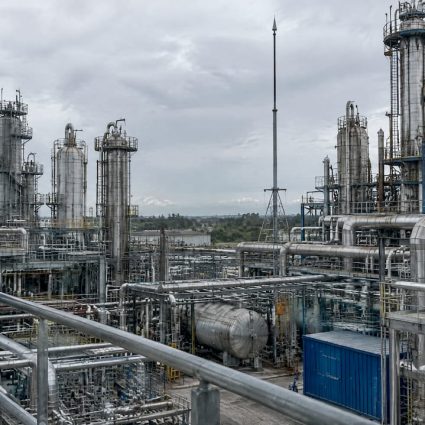
Public infrastructure faces unique lightning strike vulnerabilities that can cascade into catastrophic failures. Industrial facilities, commercial complexes, and critical infrastructure sites contain expensive equipment, store hazardous materials, and support operations where downtime costs thousands per hour. A single lightning event can destroy control systems, ignite flammable materials, or compromise structural integrity.
The 2024 IEC 62305 update has fundamentally changed how facilities must approach lightning risk. Many sites previously classified as Class III or IV now require Class I or II protection levels under the new standard. This reclassification increases implementation costs but delivers measurably better safety outcomes. The updated standard accounts for modern construction materials, increased equipment sensitivity, and changing climate patterns that have intensified lightning activity in many regions.
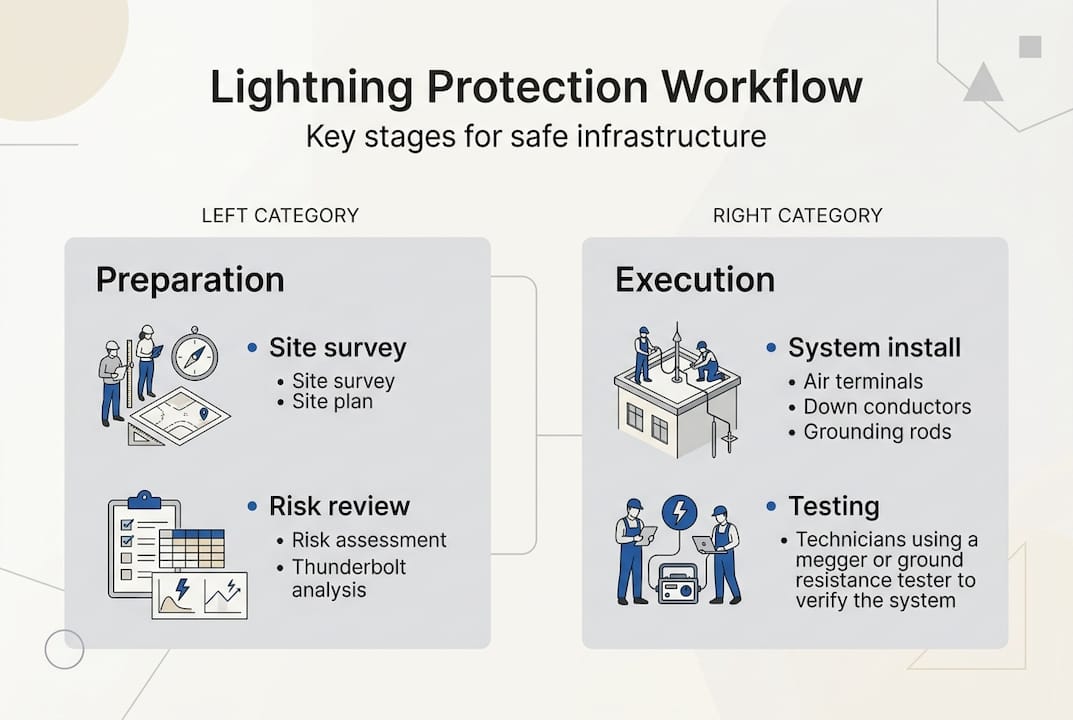
Before implementing any lightning protection system application, you need comprehensive site documentation. Start with a detailed infrastructure map showing building layouts, equipment locations, utility connections, and grounding systems. This map becomes your primary reference throughout the workflow.
Your preparation checklist should include:
- Complete site audit documenting all structures, equipment, and electrical systems
- Risk classification assessment using current IEC 62305 criteria
- Detailed inventory of building materials, particularly conductive elements
- Survey of existing grounding systems and their condition
- Analysis of lightning strike frequency data for your geographic area
- Review of insurance requirements and local code compliance standards
Steel-framed buildings present special challenges that require early attention. Metal structural elements can conduct lightning currents in unpredictable ways, creating induced surges far from the strike point. You must map all conductive pathways and model how current might distribute through the structure. This modeling reveals potential surge entry points into sensitive systems.
Pro Tip: Engage lightning protection specialists during the preparation phase, not after problems emerge. Early involvement allows experts to influence design decisions that prevent issues rather than retrofit solutions around existing constraints. This approach typically reduces total project costs by 20 to 30 percent while improving protection effectiveness.
Building material assessment goes beyond identifying steel frames. Concrete with rebar, metal roofing, aluminum cladding, and even buried utilities all affect lightning current paths. Document everything that conducts electricity, including HVAC systems, piping networks, and cable trays. These elements become part of your protection strategy or potential vulnerability points.
Your risk classification determines protection requirements and drives budget allocation. The IEC standard considers factors like structure usage, occupancy, contents value, and consequences of failure. A chemical processing plant faces different risks than a warehouse, even if both have similar construction. Calculate your facility’s specific risk profile using the standard’s methodology to justify protection investments to stakeholders.
Step-by-step execution of the protection workflow
Executing a lightning protection workflow requires methodical progression through defined stages. Rushing or skipping steps compromises system effectiveness and wastes resources. Follow this sequence for reliable implementation.
- Conduct detailed risk reevaluation using your preparation documentation and current IEC criteria
- Design the air termination system with appropriate placement of rods, masts, or mesh conductors
- Plan down conductor routing to minimize current path length while avoiding sensitive areas
- Design the grounding electrode system with adequate soil contact and low resistance
- Specify surge protective devices for all power and signal line entry points
- Create installation drawings with clear specifications for materials and methods
- Schedule installation phases to minimize operational disruption
- Commission the complete system with integrated testing protocols
Protection method selection depends on your infrastructure characteristics and risk classification. This table compares primary approaches:
| Protection Method | Best For | Installation Complexity | Typical Cost Range | Maintenance Requirements |
|---|---|---|---|---|
| Franklin Rod System | Simple structures, low to medium risk | Low | $5,000 to $25,000 | Annual visual inspection |
| Early Streamer Emission | Large footprint facilities | Medium | $15,000 to $50,000 | Biannual testing required |
| Mesh/Cage System | Sensitive equipment areas | High | $30,000 to $150,000 | Quarterly connection checks |
| Hybrid Approach | Complex multi-building sites | Very High | $75,000+ | Comprehensive annual audit |
For highly sensitive installations, surge protection becomes as critical as the air termination system. Power line surges account for 80 percent of lightning-related equipment damage, far exceeding direct strike damage. Install coordinated surge protective device stages at service entrance, distribution panels, and equipment connection points.
Steel-framed facilities demand special execution protocols. Studies show that current sharing through structural steel can induce dangerous voltage differences between building sections. You must verify actual current distribution through modeling or testing before finalizing down conductor placement. Some facilities require isolated down conductors to prevent structural steel from becoming unintended current paths.
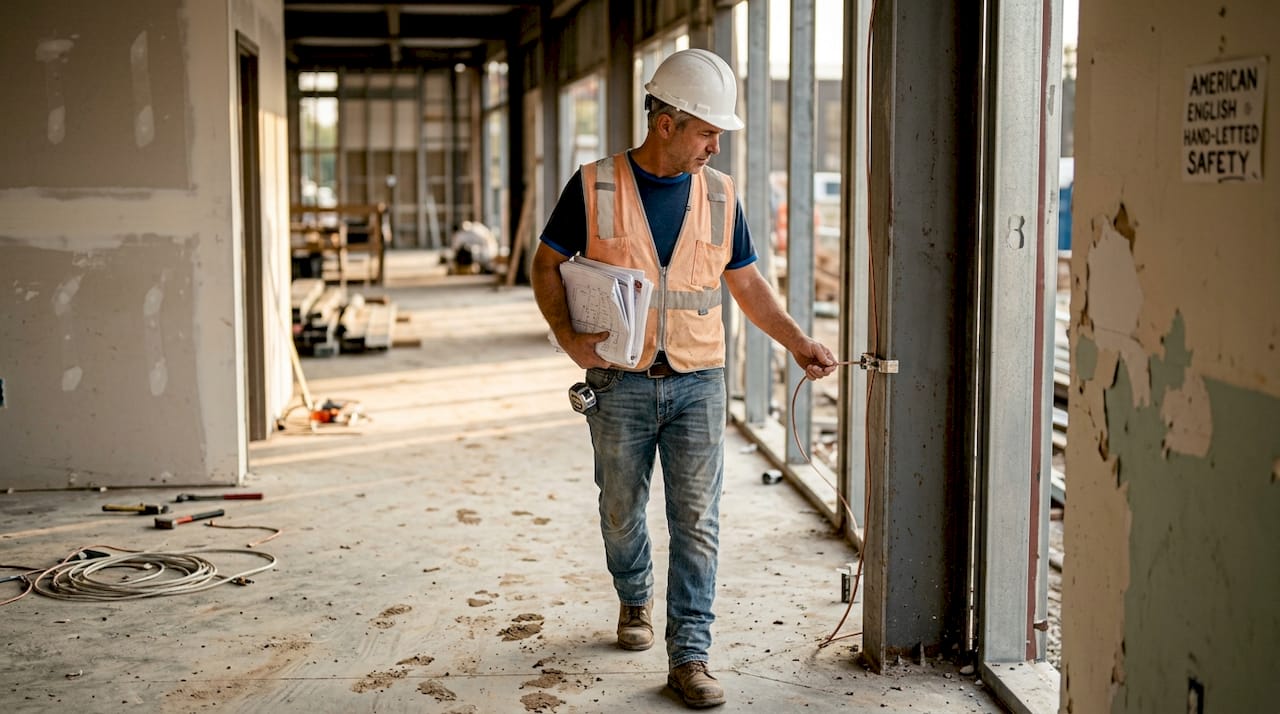
Pro Tip: Coordinate protection system installation with scheduled maintenance shutdowns or construction phases. This timing minimizes disruption while allowing proper integration with existing electrical and safety systems. Plan installations when weather conditions support outdoor work and testing can proceed without weather delays.
Document every installation detail with photographs, measurements, and material certifications. Your documentation proves compliance during inspections and guides future maintenance. Record grounding resistance values, conductor routing paths, connection methods, and surge device specifications. This record becomes invaluable when troubleshooting issues or planning expansions.
Integration with existing systems requires careful attention to bonding and grounding. All conductive systems must connect to a common grounding network to prevent dangerous potential differences during lightning events. This includes structural steel, equipment grounds, telecommunications systems, and even metal fencing. Unbonded conductive elements can become arc sources that defeat your protection strategy.
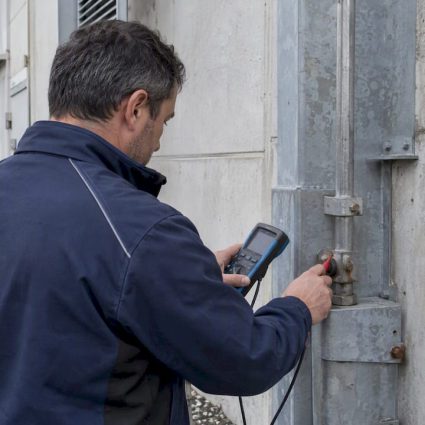
Testing during commissioning validates that your system performs as designed. Measure grounding resistance at multiple points, verify conductor continuity, test surge device operation, and confirm proper bonding between all conductive elements. These baseline measurements establish reference values for future maintenance comparisons.
Verification, monitoring, and maintenance for lasting protection
Installing a lightning protection system marks the beginning of your protection program, not the end. Ongoing verification and maintenance ensure continued effectiveness as your facility evolves and environmental conditions change. The 2024 IEC standard imposes stricter verification requirements that mandate regular testing and documentation.
Your verification protocol should include multiple validation techniques. Visual inspections catch obvious damage or deterioration. Electrical testing measures grounding resistance, conductor continuity, and surge device functionality. Advanced facilities integrate lightning detection sensors that record strike data and trigger automatic system checks. This layered approach catches problems before they compromise protection.
Monitoring technology options vary in sophistication and cost:
| Technology | Monitoring Capability | Installation Cost | Annual Operating Cost | Best Use Case |
|---|---|---|---|---|
| Manual Inspection | Visual damage only | Minimal | $500 to $2,000 | Low-risk facilities |
| Resistance Testing | Ground system health | $2,000 to $5,000 | $1,000 to $3,000 | Standard compliance |
| Strike Counters | Event frequency tracking | $3,000 to $8,000 | $500 to $1,500 | Risk documentation |
| Integrated Sensors | Real-time system status | $15,000 to $40,000 | $3,000 to $8,000 | Critical infrastructure |
Maintenance schedules depend on your risk classification and environmental exposure. Facilities in high-lightning regions or corrosive environments need more frequent attention. Establish a baseline schedule and adjust based on inspection findings.
Common issues detected during monitoring include:
- Corroded connections that increase resistance and reduce current-carrying capacity
- Damaged air terminals from weather exposure or physical impact
- Compromised grounding systems due to soil changes or construction activity
- Failed surge protective devices after absorbing multiple surge events
- New construction or equipment that creates unprotected zones
- Vegetation growth that interferes with air termination effectiveness
Address detected issues immediately. Lightning protection systems cannot partially protect your facility. A single failed component can redirect dangerous currents into unprotected paths, potentially causing more damage than having no protection system. When managing safety and budget constraints, prioritize repairs that restore full system functionality over enhancements.
Staff training ensures your team recognizes protection system components and understands their importance. Maintenance crews must know not to disconnect grounds, remove bonding connections, or modify conductor routing without consulting protection specialists. Well-intentioned modifications often create dangerous vulnerabilities.
Documentation practices make or break long-term compliance. Maintain a complete system file including original design drawings, installation records, test results, maintenance logs, and modification history. Update drawings whenever you add buildings, equipment, or utilities. This living document guides future work and proves compliance during regulatory inspections.
Risk reassessment should occur whenever you modify your facility. New buildings, equipment upgrades, process changes, or expanded operations may alter your risk classification. Periodic reassessment every three to five years catches gradual changes that incrementally increase vulnerability. Use these reviews to validate that your protection remains adequate for current conditions.
Successful protection installations demonstrate how systematic verification and maintenance preserve safety investments. Facilities that treat lightning protection as an ongoing program rather than a one-time project achieve consistently better outcomes with lower total costs.
Discover Indelec solutions for effective lightning protection workflows
Implementing a comprehensive lightning protection workflow requires expertise, proven technology, and reliable support. Indelec has specialized in lightning protection since 1955, delivering solutions that protect critical infrastructure worldwide. Our systematic approach aligns perfectly with the workflow outlined in this guide.
We offer complete lightning protection system applications tailored to your facility’s specific risks and requirements. Our engineering team conducts detailed site assessments, develops optimized protection designs, and supports implementation through commissioning and beyond. Every project benefits from our decades of experience protecting industrial and commercial infrastructure.

For facilities requiring advanced protection, explore our sensitive site protection designs that address complex challenges like steel-framed construction, hazardous materials, and critical equipment. We help you balance safety and budget constraints through innovative solutions that maximize protection effectiveness while controlling costs. Contact our team to discuss how we can support your lightning protection workflow implementation.
FAQ
What are the main steps in a public infrastructure lightning protection workflow?
The workflow follows five core stages: comprehensive risk assessment using current IEC standards, detailed system design addressing your facility’s specific vulnerabilities, coordinated installation minimizing operational disruption, thorough commissioning with baseline testing, and ongoing verification through scheduled maintenance. Each stage builds on previous work to ensure complete protection coverage.
How does the 2024 IEC 62305 update affect lightning risk classification?
The updated standard reclassifies many facilities from Class III or IV to more stringent Class I or II requirements. This change increases implementation costs due to enhanced protection requirements but delivers significantly improved safety outcomes. Facilities must reassess their classification and upgrade systems to meet new criteria.
What special considerations apply to steel-framed facilities?
Steel structures can conduct lightning currents unpredictably, creating induced surges distant from strike points. You must verify current sharing through modeling or testing to understand actual current distribution. This analysis determines whether you need isolated down conductors or can safely use structural steel as part of the grounding system.
How often should lightning protection systems be inspected and tested?
Inspection frequency depends on risk classification and environmental exposure. Minimum requirements include annual visual inspections for all facilities, with biannual electrical testing for high-risk sites. Facilities in corrosive environments or high-lightning regions need quarterly checks. Always inspect after known lightning strikes to verify system integrity.
What documentation is required for compliance with lightning protection standards?
Maintain complete records including original design calculations, installation drawings with as-built modifications, material certifications, baseline test results, maintenance logs, and risk assessment updates. Documentation must prove your system meets applicable standards and show ongoing maintenance preserves effectiveness. Regulatory inspections and insurance audits require this comprehensive record.