Top environmental benefits of lightning protection for facilities
TL;DR:
- Lightning protection systems prevent fires that release significant carbon emissions and harm ecosystems.
- Proper LPS design supports renewable energy by reducing equipment damage and operational downtime.
- Integrating LPS as an environmental measure enhances sustainability and reduces long-term ecological impacts.
Lightning protection is rarely the first thing that comes to mind when facility managers discuss sustainability strategies. Yet the infrastructure decisions you make around electrical safety have measurable environmental consequences, from preventing catastrophic fires to sustaining uninterrupted renewable energy production. As climate conditions intensify and compliance expectations evolve, the case for treating lightning protection systems (LPS) as a sustainability tool, not just a risk management checkbox, is stronger than ever. This article lays out a practical, evidence-backed framework to help you evaluate, select, and integrate LPS with genuine environmental impact in mind.
Table of Contents
- Criteria for selecting environmentally beneficial lightning protection
- Preventing environmental damage through fire reduction
- Supporting renewable energy sustainability through lightning protection
- Comparing environmental benefits: Lightning protection versus traditional risk management
- What most facility managers miss about lightning protection’s environmental value
- Take your facility’s sustainability to the next level with advanced lightning protection
- Frequently asked questions
Key Takeaways
| Point | Details |
|---|---|
| Fire prevention | Lightning protection dramatically lowers the risk of large, ecosystem-impacting fires. |
| Sustained green energy | Renewable installations with LPS experience less downtime and contribute more reliably to sustainability goals. |
| Lifecycle impact | The environmental cost of installing lightning protection is minimal compared to the benefits. |
| Active emissions reduction | LPS helps facilities avoid CO2 emissions from fire events, supporting regulatory compliance and green targets. |
Criteria for selecting environmentally beneficial lightning protection
Choosing an LPS is not simply about meeting code. When environmental performance is part of your facility’s mandate, you need a structured evaluation framework that goes beyond basic compliance. Here are the four core criteria to apply:
- Ecological impact of materials. Assess the full lifecycle of the system, from raw material extraction through installation and eventual decommissioning. LPS materials have minor lifecycle impacts that are consistently outweighed by the environmental disasters they prevent. Look for systems built with recyclable or low-impact materials.
- Equipment protection capacity. An LPS that prevents equipment loss reduces the demand for replacement manufacturing, which carries its own carbon footprint. Stronger protection means less waste entering the supply chain.
- Long-term sustainability of the system itself. Durable, low-maintenance systems require fewer service interventions, fewer replacement parts, and less transportation over their operational life. Factor in expected service intervals before you commit.
- Emissions prevention potential. This is the criterion most facility managers overlook. An LPS that prevents a single significant fire can offset years of its own manufacturing emissions. Quantify the fire risk at your site and weight this criterion accordingly.
Pro Tip: When issuing RFPs for lightning protection, require vendors to submit a lifecycle assessment summary alongside technical specifications. This gives your sustainability team the data they need to make a defensible environmental case to leadership.
The concept of lightning protection necessity shifts significantly when you frame it through an environmental lens. You are not just protecting assets. You are actively preventing emissions. For a deeper look at how the industry is evolving on this point, the green protection insights from Indelec’s expertise section offer a useful reference for benchmarking your own approach.
Preventing environmental damage through fire reduction
With selection criteria established, it’s critical to see how LPS can actively minimize environmental risks, starting with fire prevention. Lightning is one of the most underestimated ignition sources for large-scale fires, particularly in forested areas adjacent to industrial and commercial facilities.
Consider what is at stake:
- Forest and vegetation loss. A single lightning strike on a dry tree can trigger a fire that burns thousands of acres, destroying habitat, releasing stored carbon, and degrading air quality for surrounding communities.
- Carbon release from burning biomass. Forests are carbon sinks. When they burn, decades of stored carbon re-enter the atmosphere almost instantly.
- Soil and watershed damage. Post-fire erosion degrades soil quality and contaminates local water systems, creating long-term ecological consequences that extend well beyond the burn zone.
- Regulatory and reputational exposure. Facilities located near vulnerable ecosystems face increasing scrutiny when fires occur. Prevention is a far stronger position than post-incident response.
“LPS installation on trees prevents lightning-induced forest fires, preserving ecosystems and reducing carbon emissions.”
This is not a theoretical benefit. Protecting exposed trees, perimeter vegetation, and outdoor infrastructure with properly designed LPS is a direct intervention in the fire ignition chain. For facilities operating in fire-prone regions or near protected natural areas, this is one of the highest-value sustainability investments available.
Adapting your LPS strategy to local climate conditions matters here. Climate-adaptive methods account for regional storm frequency and intensity, helping you size and position protection appropriately. Indelec’s work on eco-friendly lightning systems demonstrates how product design itself can align with environmental goals, not just the outcome of protection.
Supporting renewable energy sustainability through lightning protection
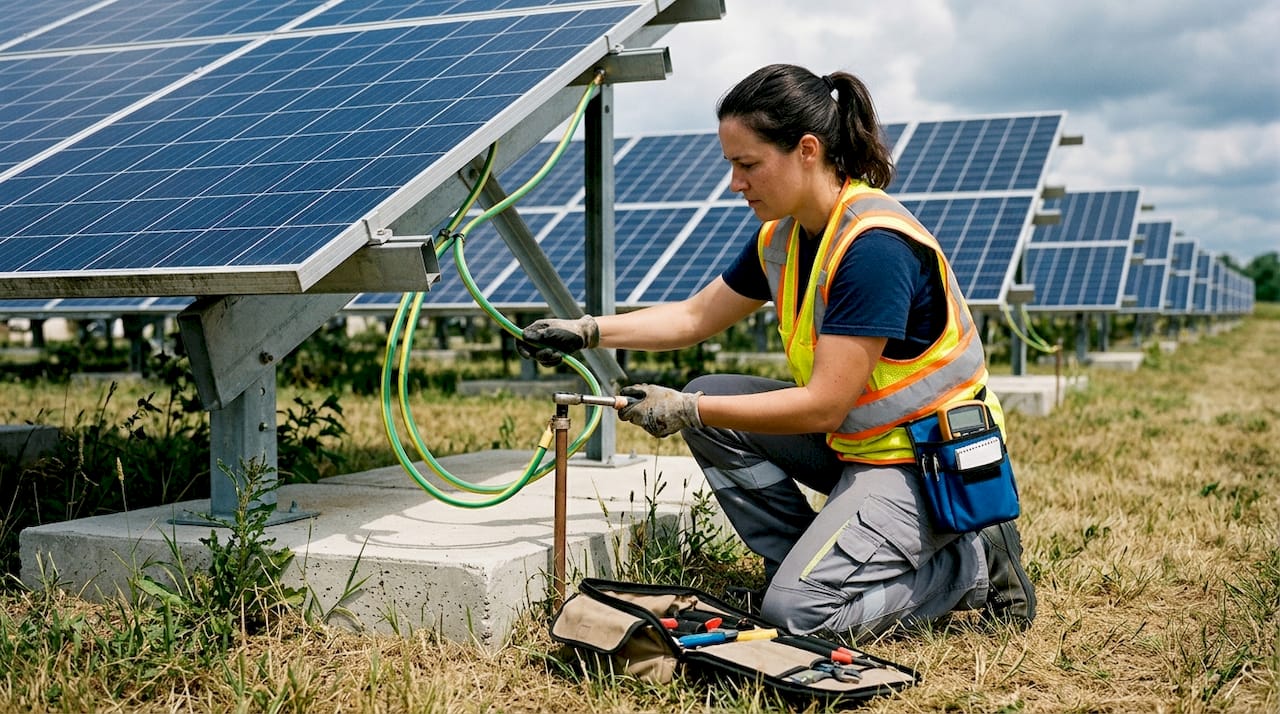
Beyond fire prevention, lightning protection is a cornerstone of renewable energy facility resilience. Photovoltaic (PV) arrays and agrivoltaic installations, where solar panels are integrated with agricultural land use, represent significant capital investments with long operational lifespans. A single lightning event without adequate protection can destroy inverters, damage panel arrays, and trigger extended downtime.
Here is why this matters for sustainability outcomes:
- Downtime equals lost clean energy. Every hour a PV system is offline due to lightning damage is an hour that grid demand is met by other, often less clean, sources. Protection keeps green energy flowing.
- Equipment replacement has an environmental cost. Manufacturing solar inverters and panels requires energy and materials. Preventing damage reduces the lifecycle environmental burden of the entire installation.
- Agrivoltaic systems serve dual purposes. Damage to these installations affects both energy production and agricultural output, compounding the environmental and economic impact of a single strike event.
- Insurance gaps create reactive cycles. Facilities that rely on insurance rather than prevention often face repeated damage cycles, each one generating more waste and more manufacturing demand.
LPS for PV systems and agrivoltaics ensures sustained renewable energy production, supporting sustainability by minimizing downtime and equipment damage. This is a direct link between lightning protection and your facility’s green energy performance metrics.
Pro Tip: Integrate LPS design into the initial engineering phase of any renewable energy project. Retrofitting protection after installation is more expensive and often less effective than building it in from the start.
Exploring the full range of LPS system applications helps you understand which configurations are appropriate for different renewable energy setups. For facilities already operating electrical infrastructure, proven lightning protection practices provide a solid baseline for upgrading existing systems.
Comparing environmental benefits: Lightning protection versus traditional risk management
To clarify the real-world impact, let’s compare LPS with traditional approaches to risk management. Most facilities default to insurance coverage and reactive repair protocols. These approaches have a place, but they carry hidden environmental costs that rarely appear in sustainability reporting.
| Factor | Lightning protection system | Insurance and reactive repair |
|---|---|---|
| Fire prevention | Active, continuous prevention | No prevention; responds after damage |
| Carbon emissions | Minimal from materials; prevents large fire emissions | No emissions reduction; fire damage proceeds |
| Equipment waste | Reduces replacement demand | Generates replacement manufacturing cycles |
| Ecosystem protection | Direct intervention in fire ignition | No ecosystem benefit |
| Operational continuity | Maintains uptime for renewable systems | Downtime during repair and claims process |
| Long-term cost | Predictable, low-maintenance investment | Variable, unpredictable repair cycles |
The numbers behind this comparison are significant. Boreal fires emit approximately 306 Tg C per year, and lightning is a primary natural ignition source. While no single facility can claim credit for preventing all lightning-caused fires, a well-protected site near vulnerable ecosystems makes a measurable contribution to avoided emissions.
Insurance pays for damage after it happens. LPS prevents the damage entirely. For facility managers with sustainability commitments, that distinction is not just financial. It is environmental. Reviewing current lightning protection standards gives you the technical baseline for ensuring your system delivers this level of active protection.
What most facility managers miss about lightning protection’s environmental value
Here is the uncomfortable truth: most sustainability audits treat lightning protection as a safety line item, not an environmental one. That framing is costing facilities real impact. Compliance thinking asks, “Are we protected?” Environmental leadership asks, “What disasters are we preventing, and what is that worth in avoided emissions?”
The environmental benefits of LPS far outweigh the material impacts when you account for prevented disasters and emissions. That is not a marketing claim. It is a lifecycle accounting reality. The carbon embedded in a lightning rod is a rounding error compared to the carbon released by a single forest fire it prevents.
We have seen facility managers invest heavily in energy efficiency upgrades while leaving their perimeter vegetation and outdoor infrastructure completely unprotected. That is a gap in environmental logic. A fire at the fence line can undo years of efficiency gains in a matter of hours.
Proactive LPS integration is an act of environmental leadership, not just risk management. The green protection perspective reflects where the industry is heading. Facilities that get ahead of this shift will find it easier to meet evolving sustainability reporting requirements and stakeholder expectations.
Take your facility’s sustainability to the next level with advanced lightning protection
The environmental case for lightning protection is clear, and the technology to act on it is available right now. Indelec has been engineering advanced, eco-conscious lightning protection solutions since 1955, with systems designed for the exact challenges industrial and commercial facility managers face.
Explore advanced air terminals engineered for maximum protection with minimal environmental footprint, or review the full range of comprehensive LPS solutions tailored to your facility type and risk profile. If you are still assessing your exposure, the lightning risk facts resource is a strong starting point. Our technical team is ready to help you design a system that meets both your safety and sustainability goals.
Frequently asked questions
How does lightning protection reduce environmental impact?
Lightning protection prevents fires that release large amounts of carbon, protects ecosystems from destruction, and reduces the manufacturing waste generated by repeated equipment replacement, making facilities measurably more sustainable.
Is lightning protection effective for renewable energy facilities?
Yes. LPS for renewable energy safeguards PV systems and agrivoltaic installations by minimizing lightning-induced downtime and equipment damage, keeping green energy production consistent and reliable.
Are there environmental drawbacks to installing lightning protection systems?
While LPS manufacturing carries some lifecycle impacts, these are minor and consistently outweighed by the large environmental benefits of preventing major fires, ecosystem damage, and equipment loss over the system’s operational life.