Multi-Zone Protection Advantages for Home Climate Control
TL;DR:
- Multi-zone HVAC systems divide a home into independently controlled zones, offering personalized comfort and energy savings. They extend equipment lifespan by reducing wear and enable smart automation, but require careful planning and higher initial investment to avoid uneven performance. These systems are most beneficial for homes with multiple rooms, varying sun exposure, or different occupant preferences.
Multi-zone HVAC protection segments your home into independently controlled climate areas, and the payoff is immediate: personalized comfort in every room, lower energy bills, and an HVAC system that lasts longer because it is not working harder than it needs to. Here is what you actually get with a well-designed multi-zone setup:
- Personalized comfort: Each zone holds its own temperature, so the bedroom stays cool at night while the living room stays warm.
- Energy savings: Conditioning only occupied areas cuts energy waste. Unoccupied zones run minimal conditioning, which reduces your monthly utility costs.
- Equipment longevity: Targeted operation reduces wear on compressors and air handlers compared to a single system cycling on and off for the whole house.
- Smart home compatibility: Most modern multi-zone systems connect to Wi-Fi thermostats, Google Home, or Amazon Alexa for scheduling and remote control.
- Consistent temperatures: No more hot spots near south-facing windows or cold corners in the basement.
How multi-zone HVAC systems actually work
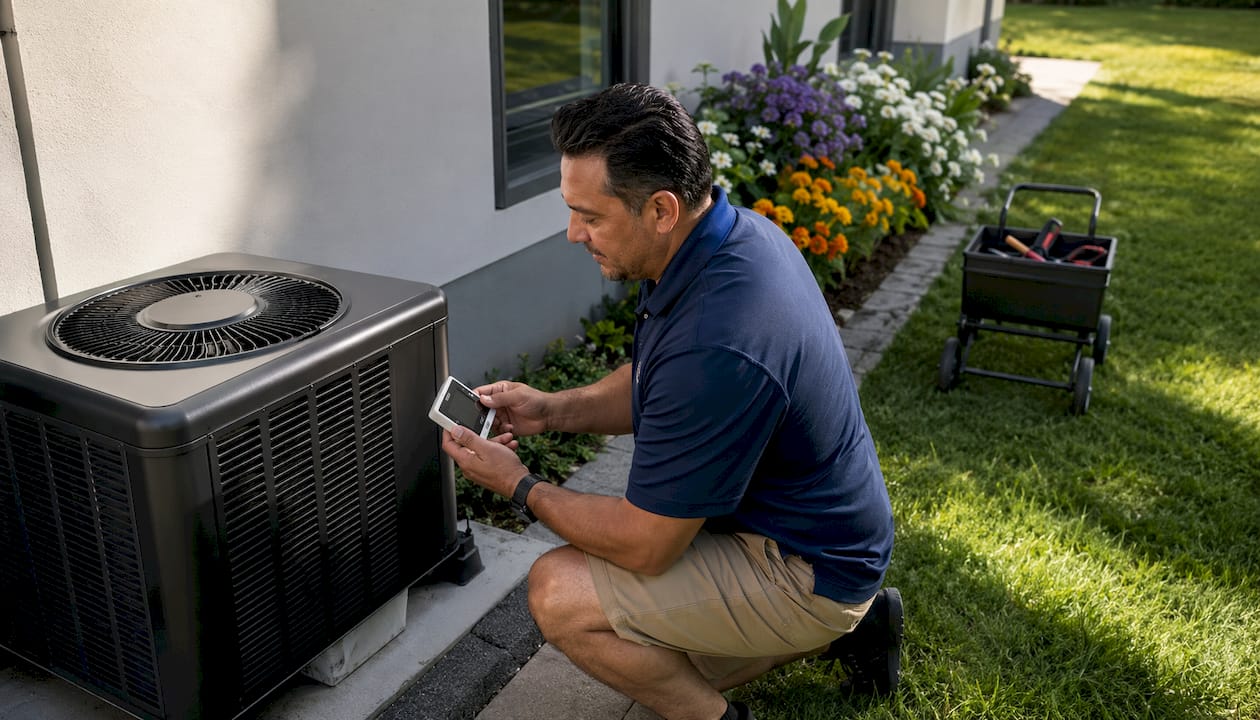
A multi-zone system connects multiple indoor units to one outdoor unit, most commonly through a ductless mini-split configuration. Each indoor unit serves a defined area and receives its own thermostat or control panel, so occupants set temperatures independently without affecting other rooms.
Single-zone systems treat the entire house as one space. When the bedroom is too warm, the whole system runs until the thermostat in the hallway is satisfied, which often means the bedroom is still uncomfortable. Multi-zone systems solve this by giving each area its own sensor and its own schedule.
Common implementation setups include:
- Master bedroom with its own cooling zone for sleeping comfort
- Open-plan living and kitchen area as a shared zone
- Home office with independent scheduling tied to work hours
- Basement or bonus room activated only when occupied
- Sunroom or garage workshop with separate temperature limits
Carrier and Pioneer both offer multi-zone mini-split systems designed for residential use, with outdoor units that support two to five indoor heads. Carrier’s multi-zone mini-split lineup includes inverter-driven compressors that modulate output rather than cycling on and off, which reduces energy spikes. Pioneer’s multi-zone mini-split systems are widely available through online retailers and appeal to homeowners who want a DIY-friendly installation path.
Integration with smart thermostats like Ecobee or Google Nest adds scheduling, occupancy detection, and remote access. You can set the home office zone to pre-cool 30 minutes before you start work and shut off automatically when you leave.
Pro Tip:Before buying, map your home’s sun exposure by room. South-facing rooms gain heat faster and often need a dedicated zone with a lower setpoint, even in mild climates.
The real advantages of multi-zone protection systems
Comfort you can actually feel
The most immediate benefit is room-by-room temperature control. Families with different comfort preferences stop fighting over the thermostat because each person controls their own space. A teenager who runs warm and a grandparent who runs cold can both be comfortable in the same house at the same time.

Hot and cold spots are a structural problem in most homes, caused by ceiling height differences, window area, and insulation gaps. A single-zone system cannot compensate for all of them. Multi-zone systems address each problem area directly with a dedicated unit.
Energy savings that show up on the bill
Granular zone control lets you condition only the rooms you are using. A four-bedroom home where two bedrooms sit empty during the day does not need to cool those rooms to the same level as the occupied living area. Conditioning only occupied areas reduces energy waste in a way that single-zone systems structurally cannot match.
Inverter-driven compressors in systems like Carrier’s multi-zone mini-splits modulate their output continuously rather than switching fully on or fully off. That modulation keeps temperatures stable with less total energy consumed per hour of operation.
Equipment lifespan and reduced maintenance
A system that runs at partial capacity for targeted zones puts less mechanical stress on the compressor than one that cycles at full load for an entire house. Fewer full-load cycles mean less wear on the compressor, fan motors, and refrigerant lines over time. The practical result is fewer service calls and a longer interval before major component replacement.
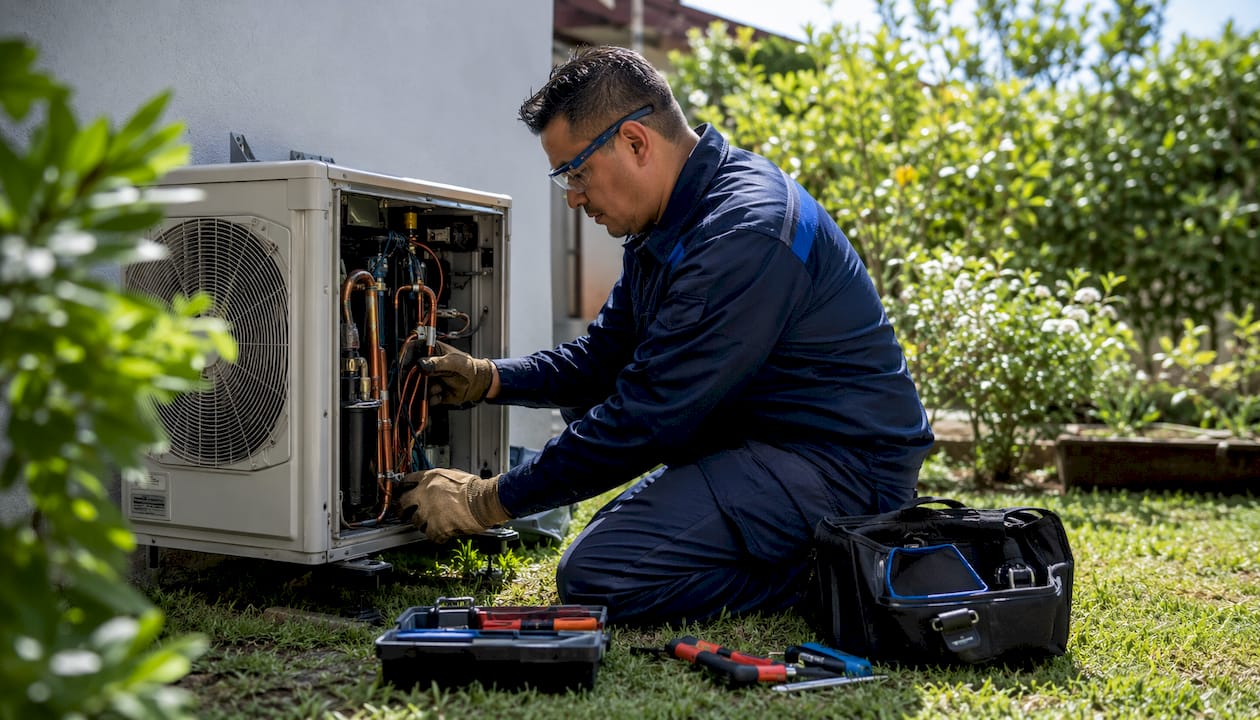
Fault isolation is another underappreciated benefit. If one indoor unit develops a problem, the rest of the system keeps running. A single-zone system failure takes out climate control for the whole house.
Zoning control and smart automation
- Set zone schedules tied to your daily routine
- Use occupancy sensors to trigger zones automatically
- Adjust settings remotely from a smartphone app
- Integrate with home automation platforms like Apple HomeKit or Amazon Alexa
- Receive alerts when a zone deviates from its setpoint
Structured zone grouping in alarm systems reduces false alerts significantly, according to industry data from ESA and NFPA 731. The same logic applies to HVAC: well-mapped zones reduce unnecessary system cycling and alert fatigue for homeowners monitoring smart home dashboards.
Potential drawbacks to consider before you buy
Multi-zone systems cost more upfront than single-zone alternatives. A two-zone ductless mini-split installation typically runs higher than a comparable single-zone unit, and adding more indoor heads increases both equipment and labor costs. That gap narrows over time through energy savings, but the initial check is real.
Installation complexity is the second consideration. Multi-zone systems require careful load calculations for each zone, proper refrigerant line sizing, and electrical work for each indoor unit. A poorly designed layout, where zones are too large or too small for the space, produces uneven performance and can actually increase energy use.
Key considerations before committing:
- Home size and layout: Open floor plans with few walls may not benefit as much as homes with distinct, enclosed rooms.
- Budget: Factor in both equipment and professional installation; DIY options exist but require HVAC certification for refrigerant handling in most states.
- Existing ductwork: Homes with existing forced-air systems may find ductless mini-splits redundant or require hybrid approaches.
- Maintenance access: Each indoor unit needs periodic filter cleaning and annual professional service, multiplying maintenance touchpoints.
- Oversizing risk: Installing more zones than the home needs adds cost without proportional comfort gains.
The good news is that these drawbacks are manageable with proper upfront planning. A licensed HVAC contractor can perform a Manual J load calculation for each zone, which eliminates the guesswork on sizing and prevents the most common installation mistakes.
How to decide if a multi-zone system is right for your home
Not every home needs multi-zone protection. A small, well-insulated single-story home with two occupants who share similar comfort preferences may get everything they need from a single-zone system. Multi-zone pays off most clearly in specific situations.
- Your home has three or more bedrooms with occupants who keep different schedules or have different temperature preferences.
- You have rooms with extreme sun exposure or poor insulation that a single thermostat cannot compensate for.
- You work from home and want to condition only your office during the day without heating or cooling the whole house.
- Your home has multiple floors where heat stratification creates a persistent temperature gap between levels.
- You want smart home integration and the ability to schedule, monitor, and adjust climate remotely.
- Your current system runs constantly trying to satisfy one thermostat while other rooms remain uncomfortable.
- You are replacing an aging system and want to invest in a setup that reduces long-term energy costs and equipment strain.
For homes that check three or more of these criteria, the long-term energy and comfort gains typically justify the higher upfront cost. Carrier and Pioneer multi-zone mini-splits are worth evaluating as reference points for capacity ranges and feature sets before talking to a contractor.
What electrical and network security teach us about multi-zone design
The principles behind multi-zone protection extend well beyond HVAC. In network security, zone segmentation limits breach impact by preventing lateral movement through a system. An attacker who compromises one zone cannot freely access others. The same containment logic applies to HVAC: a fault in one zone does not cascade into a whole-home failure.
Multi-zone architectures allow tailored configurations per zone without sacrificing centralized oversight, a principle that maps directly onto HVAC zoning. You manage everything from one app or control panel, but each zone operates on its own rules.
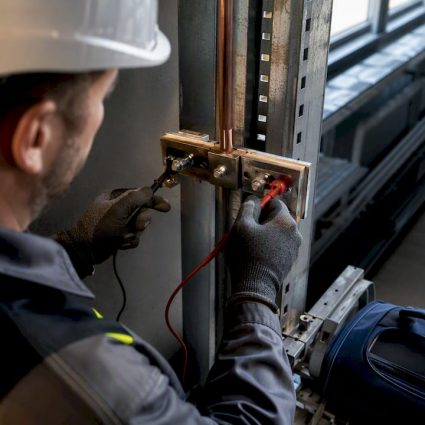
Indelec has applied multi-zone protection principles in electrical safety systems since 1955, designing layered protection zones that isolate faults and preserve system uptime across industrial and infrastructure installations. That same structured thinking, defining zones, setting independent response thresholds, and maintaining centralized oversight, is exactly what separates a well-designed HVAC multi-zone system from a poorly planned one.
Pro Tip:Think of your home’s climate zones the way an electrician thinks about circuit protection: each zone should be sized and configured for its specific load, not copied from a generic template.
Zone protection threshold tuning in network security requires iterative adjustment from established baselines. HVAC zoning works the same way. After installation, expect a few weeks of fine-tuning setpoints and schedules before each zone settles into its most efficient operating pattern.
Common challenges in implementing multi-zone protection and how to overcome them
Incorrect zone sizing is the most frequent installation problem. Zones that are too large for a single indoor unit produce uneven temperatures; zones that are too small waste equipment capacity. The fix is a Manual J load calculation before any equipment is purchased.
Refrigerant line length limits constrain where indoor units can be placed relative to the outdoor unit. Most residential multi-zone systems support line sets up to 50–75 feet per head, but longer runs reduce efficiency. Plan the outdoor unit location before finalizing the indoor unit placement.
Electrical capacity is often overlooked. Each indoor unit requires a dedicated circuit, and adding three to five units to an older home’s panel may require an upgrade. Get an electrical assessment alongside your HVAC quote.
Alert and schedule overload is a real operational challenge once the system is running. Homeowners who set up too many overlapping schedules across zones often end up with a system that fights itself. Start with simple schedules tied to occupancy and add complexity gradually, the same iterative approach that network security professionals use when tuning zone-based monitoring systems to avoid operator fatigue.
Contractor selection matters more with multi-zone systems than with simple single-zone replacements. Look for contractors who perform load calculations per zone, not just per house, and who have documented experience with the specific brand you are installing.
Key Takeaways
Multi-zone HVAC protection delivers the most value when home layout, occupant preferences, and energy goals align with the system’s design strengths.
| Point | Details |
|---|---|
| Zone segmentation reduces waste | Conditioning only occupied areas cuts energy use without sacrificing comfort in active rooms. |
| False alarm reduction applies broadly | Structured zone grouping reduces false alarms significantly in commercial alarm systems, a reliability principle that transfers to HVAC zoning. |
| Upfront cost is the main barrier | Higher installation costs are offset by long-term energy savings and extended equipment lifespan. |
| Fault isolation protects the whole home | A problem in one zone does not shut down climate control for the entire house. |
| Proper sizing is non-negotiable | Manual J load calculations per zone prevent the most common performance and efficiency failures. |