Commercial Building Protection Tips for Facility Managers

TL;DR:
- Effective commercial building protection relies on a layered system integrating physical security, maintenance, environmental safeguards, and technology. Regular inspections, access control, fire safety compliance, and lightning protection form critical elements to prevent costly failures and ensure tenant safety. Ongoing risk management and thorough documentation are essential for resilient, compliant, and well-protected facilities.
Commercial building protection tips are easy to find. The kind that actually work across a range of real threats? That’s a shorter list. Facility managers and building owners face a growing web of risks: unauthorized entry, fire hazards, infrastructure failure, and increasingly volatile weather patterns. Protecting your asset and your tenants requires more than cameras and a fire extinguisher. It demands a layered, deliberate system where physical security, maintenance protocols, environmental safeguards, and technology all work together. This article covers exactly that, in a sequence you can act on.
Table of Contents
- Key takeaways
- 1. Commercial building protection tips start with evaluation criteria
- 2. Access control and on-site security practices
- 3. Preventive maintenance for roofs, HVAC, plumbing, and parking lots
- 4. Environmental protection and fire safety compliance
- 5. Technology integration and operational best practices
- 6. Electrical and lightning protection as a building safety layer
- Our perspective
- Protect your building with professional lightning protection
- FAQ
Key takeaways
| Point | Details |
|---|---|
| Layered security is non-negotiable | Hardware, human oversight, and technology must work together for effective protection. |
| Capital asset maintenance prevents crises | Routine inspection of roofs, HVAC, plumbing, and parking lots avoids costly emergency repairs. |
| Environmental compliance protects more than people | Meeting standards like NFPA 25 keeps your insurance coverage intact and your systems functional. |
| Technology amplifies, not replaces, human judgment | AI surveillance and real-time monitoring close the gaps that human-only coverage misses. |
| Lightning protection is a structural necessity | Electrical strike events can disable building systems and endanger occupants without proper grounding. |
1. Commercial building protection tips start with evaluation criteria
Before spending a dollar on any security upgrade or maintenance contract, you need a framework for making the decision. Multi-layered protection replaces isolated tools with interconnected systems, covering hardware, technology, and human supervision in one coordinated approach.
When evaluating any protection measure, ask these questions:
- Does it address more than one type of threat?
- Can it scale as your tenant count or building footprint grows?
- Does it integrate with your existing systems?
- Is it compliant with current codes and standards?
- What’s the cost per risk mitigated, not just the upfront price?
Operational fit matters as much as technical capability. A biometric access system that frustrates tenants every morning is not a successful security upgrade. Cost-effectiveness, tenant experience, and scalability belong in the same conversation as threat mitigation.
Pro Tip:Before requesting quotes for any new protection system, conduct a building-specific risk assessment. A generic solution designed for a 10-story office tower will underperform in a low-rise industrial complex with multiple loading docks and shift workers.
2. Access control and on-site security practices
Unauthorized entry is one of the most preventable risks in commercial buildings, yet it remains one of the most common. The foundation of any solid security strategy is controlling who gets in, tracking where they go, and responding quickly when something goes wrong.
Modern access control has moved well beyond key cards. Buildings now combine keycards with biometric verification, visitor management kiosks, and time-restricted credentials for contractors and vendors. Every entry point, not just the main lobby, needs to be accounted for.
Here’s where building owners consistently miss:
- Loading docks and service entrances are frequent breach points
- Stairwell access is rarely monitored with the same rigor as elevator banks
- Shared parking structures create ambiguity about who “belongs”
- Tailgating at controlled entry points undermines electronic systems entirely
On-site security personnel remain one of the strongest deterrents available. Professional guards combine visibility, visitor management, and immediate response in a way no camera can replicate. Place them in lobbies, parking structures, and any common area with high foot traffic during peak hours.
Passive CCTV without real-time monitoring creates a false sense of security. Two-way audio systems enable immediate verbal warnings, allowing remote agents to intervene before a situation escalates. This is particularly effective for after-hours vandalism and parking lot incidents.
3. Preventive maintenance for roofs, HVAC, plumbing, and parking lots
These four systems account for the majority of capital repair costs in commercial buildings. Ignoring them does not save money. It defers costs while adding compounding damage.
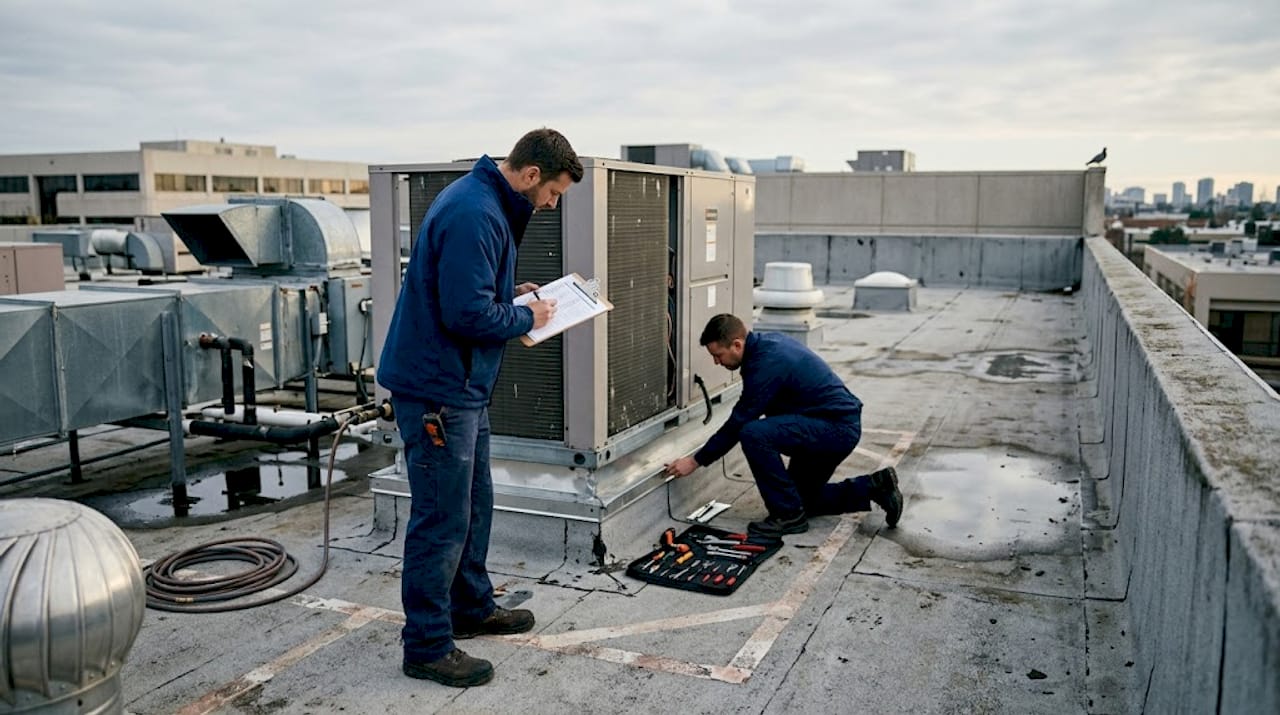
Regular inspection of these four systems reduces emergency repair frequency and keeps tenants from filing complaints or breaking leases early.
Roofs
Look for membrane separation, ponding water, and failed flashing around HVAC penetrations. A small leak left unaddressed for one season can damage ceilings, electrical conduits, and insulation layers below.
HVAC systems
Rooftop HVAC units deteriorate faster than interior equipment because of UV exposure, temperature swings, and debris accumulation. Commercial rooftop unit servicing should happen at least twice per year. Filter replacements, coil cleaning, and refrigerant checks are not optional.
Plumbing
When one fixture fails, it may indicate localized wear. When multiple fixtures in the same area fail around the same time, you likely have a systemic pressure or corrosion issue in that branch line. Learn to read the pattern, not just the symptom.
Parking lots
Asphalt is seasonal and needs treating that way. Crack sealing, drainage checks, and surface sealants applied in spring protect against the compounding damage of freeze and thaw cycles. A neglected lot also creates slip-and-fall liability that can exceed the cost of resurfacing.
Pro Tip:Build a rolling 5-year capital plan for each of these four systems. When you know a roof has an estimated 6-year lifespan remaining, you can reserve funds appropriately. Surprise replacements are almost always more expensive than planned ones.
Insurance coverage also depends on maintenance records. Replacement cost coverage pays out based on rebuilding costs rather than depreciated value, but insurers may contest claims if documented maintenance was absent.
4. Environmental protection and fire safety compliance
Environmental threats do not announce themselves. Pipes freeze in January because the building’s winterization plan was incomplete in October. Fire suppression systems fail during a fire because they were never tested against the conditions they’ll face.
NFPA 25 sets the standard here. It requires that wet fire sprinkler systems be maintained above 40°F to prevent freeze damage and preserve fire protection capability. This is not a technical nicety. Failure to meet it can void your insurance coverage and expose you to code violations.
For winterization, focus on the full system, not just interior pipes:
- Exterior risers and backflow preventers are frequently overlooked
- Insulated cabinets protect exposed exterior pipe connections
- Freeze-activated protection devices automate drip protection at threshold temperatures, which eliminates the waste of continuous running faucets
Fire safety in commercial buildings depends on four overlapping layers: prevention, detection, suppression, and evacuation. Each layer must be functional independently and in sequence. A working sprinkler system fails tenants if the evacuation plan has never been practiced.
Lighting plays an underappreciated role in fire risk. Well-lit exteriors reduce arson opportunity. Interior emergency lighting keeps evacuation routes usable when primary systems fail.
Pro Tip:Schedule your annual fire safety walkthrough immediately after your lease renewal cycle. New tenants and new buildouts change the occupancy load and egress requirements. What passed inspection 18 months ago may not meet standards today.
5. Technology integration and operational best practices
Technology does not replace operational discipline. It extends it. The most protected commercial buildings treat digital tools and human protocols as one system, not two separate departments.
AI-enhanced surveillance reduces monitoring attention gaps and improves threat detection accuracy, particularly in large buildings where physical coverage is impractical at all hours. These systems flag anomalies, track movement patterns, and escalate alerts without waiting for a human to notice something is wrong.
But technology introduces its own vulnerabilities. Integrated security systems are connected to networks, and those networks need to be treated with the same seriousness as physical access points. Weak credentials and unpatched firmware on IP cameras are genuine attack vectors.
Operational best practices for technology-integrated buildings include:
- Conducting routine security audits that check for system interoperability, blind spots, and credential hygiene
- Partnering with a professional security firm experienced in your building type and occupancy pattern
- Establishing clear emergency escalation protocols so every staff member knows exactly who to call and in what order
- Reviewing system performance quarterly rather than waiting for something to fail
The “secure by design” principle applies here. Embedding security considerations during planning and infrastructure upgrades costs far less than retrofitting systems around existing constraints. If you are planning a renovation, involve your security consultant before construction drawings are finalized.
6. Electrical and lightning protection as a building safety layer
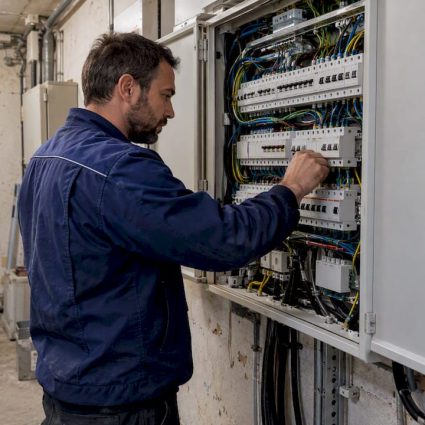
This is the protection layer most facility managers underestimate until a strike event puts an HVAC unit offline, knocks out the access control network, or sends a power surge through the building’s electrical backbone. Lightning protection belongs in the same conversation as sprinkler systems and security cameras because the risk it addresses is both significant and highly preventable.
Commercial buildings with significant rooftop equipment, tall facades, or locations in high-strike-density regions face measurable annual risk. A direct strike or nearby ground surge can damage elevator controls, fire alarm panels, data infrastructure, and power distribution systems simultaneously.
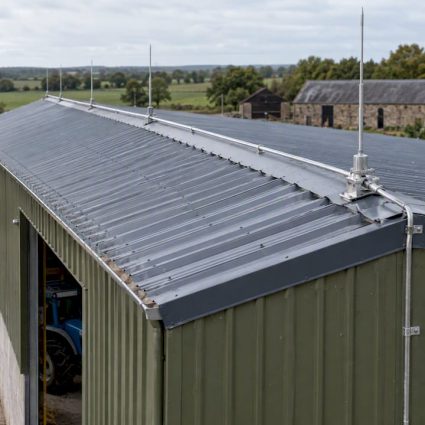
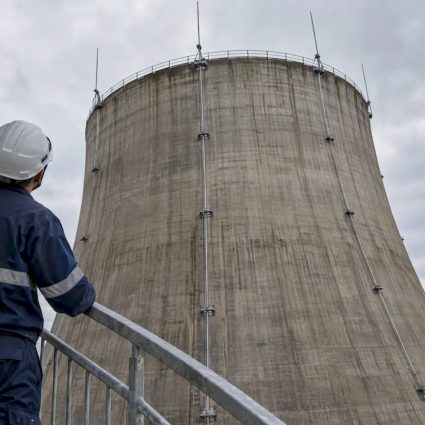
Proven lightning safety methods for commercial buildings include air termination systems, down conductors, and ground electrode networks designed to intercept strike energy and route it safely away from occupied spaces and sensitive systems.
The protection is only as reliable as the installation and maintenance behind it. Grounding systems corrode. Connections loosen. Inspection cycles matter here just as much as they do for rooftop HVAC or fire suppression. Treating electrical protection as a set-and-forget measure is the same mistake as assuming a decade-old roof is still performing.
Our perspective
I’ve spent decades in the electrical protection field, and the pattern I see repeatedly is this: building owners invest heavily in visible security features and underinvest in the systems that protect the building itself. A new camera network gets approved in a week. A grounding system inspection gets deferred for three years.
What I’ve learned from working across industrial and commercial sites worldwide is that the most expensive failures are always the ones that were technically avoidable. A sprinkler system that freezes during a cold snap because no one verified the boiler room temperature. A power surge that disables three floors of access control because the surge protection on the main panel was never upgraded after the building expanded.
The buildings that come out of adverse events with minimal damage share one characteristic: they treated protection as ongoing risk management rather than a one-time installation. They audited, updated, and planned. They didn’t wait for a claim event to discover what wasn’t working.
The uncomfortable truth is that most protection failures in commercial buildings are documentation failures. The system existed. The inspection didn’t happen. The records didn’t exist. That’s where losses compound.
— Indelec
Protect your building with professional lightning protection
One threat that rarely makes the facilities checklist until it’s too late is a direct lightning strike or electrical surge from a nearby ground event. For Indelec, this is the core problem we’ve been solving since 1955.

Our lightning protection systems are designed specifically for commercial and industrial buildings. We provide air termination components, grounding networks, surge protection devices, and full certification services backed by international lightning protection standards. Every installation is tailored to the building’s footprint, occupancy type, and local strike density data. If your current protection plan doesn’t include a verified electrical protection layer, that’s a gap worth addressing before the next storm season.
FAQ
What are the most critical commercial building protection tips?
The most effective protection combines access control, preventive maintenance of major building systems, fire safety compliance, and technology integration. No single measure covers the full range of threats a commercial building faces.
How often should a commercial building security audit be done?
Security audits should happen at least annually, with quarterly reviews of system performance data. Audits should check for blind spots, credential management issues, and interoperability between systems.
Does lightning protection matter for commercial buildings?
Yes. A strike or nearby surge can disable HVAC controls, fire alarm panels, and data infrastructure simultaneously. A properly installed and maintained lightning protection system routes strike energy safely away from building systems and occupants.
What is NFPA 25 and why does it matter for facility managers?
NFPA 25 is the standard for inspection, testing, and maintenance of water-based fire protection systems. It requires wet sprinkler systems to be kept above 40°F. Failure to comply can void insurance coverage and result in code violations.
What are the biggest overlooked risks in commercial building maintenance?
Exterior plumbing components, parking lot drainage, and rooftop HVAC penetrations are consistently underprioritized. These systems fail gradually and quietly until the repair cost becomes significant.