What Is Earthing? Benefits, Science, and Techniques

TL;DR:
- Earthing involves direct skin contact with the Earth’s surface to facilitate electron transfer, which may reduce inflammation and improve sleep. Practical methods include barefoot walking on wet natural surfaces and indoor grounding devices connected to properly grounded outlets, but scientific evidence remains limited. It is recommended to view earthing as a low-cost experiment rather than a proven therapy, with emphasis on consistent contact time and safety precautions.
Earthing is defined as the practice of making direct physical contact between your bare skin and the Earth’s surface to absorb the planet’s natural electrical charge. Also called grounding in wellness contexts, it covers methods from walking barefoot on grass to using indoor grounding devices like mats, sheets, and socks. The core claim is that modern footwear and indoor living cut us off from a low-level electrical connection that may support health. This article explains the science behind that claim, the techniques involved, and what current research actually shows.
What is earthing and how does it work?
Earthing, known in scientific literature as grounding, is based on a specific hypothesis about the Earth’s electrical properties. The Earth’s surface carries a negative electrical charge, and when your bare skin contacts it directly, electrons transfer from the ground into your body. Those electrons are theorized to neutralize free radicals, which are unstable molecules linked to oxidative stress and inflammation.

This is not the same as psychological grounding, which uses sensory or mindfulness techniques to manage anxiety. Physical earthing and mental grounding are distinct practices that share a name but operate through entirely different mechanisms. Confusing the two leads people to expect the wrong outcomes from each.
The biological pathway proposed goes like this:
- Free radicals in the body carry a positive charge and damage cells when left unchecked.
- Electrons absorbed through skin contact may neutralize those free radicals.
- Reduced oxidative stress could lower systemic inflammation over time.
- Lower inflammation is linked to improvements in sleep quality, pain levels, and cardiovascular markers.
Scientists describe this as a plausible mechanism, not a confirmed one. The research is early, the sample sizes are small, and independent replication is limited. That context matters before drawing conclusions.
Pro Tip:Wet natural surfaces like dewy grass or wet sand conduct electrons more effectively than dry soil. If you practice barefoot earthing outdoors, morning walks on damp ground give you better contact than dry pavement.
How can you practice earthing? common techniques
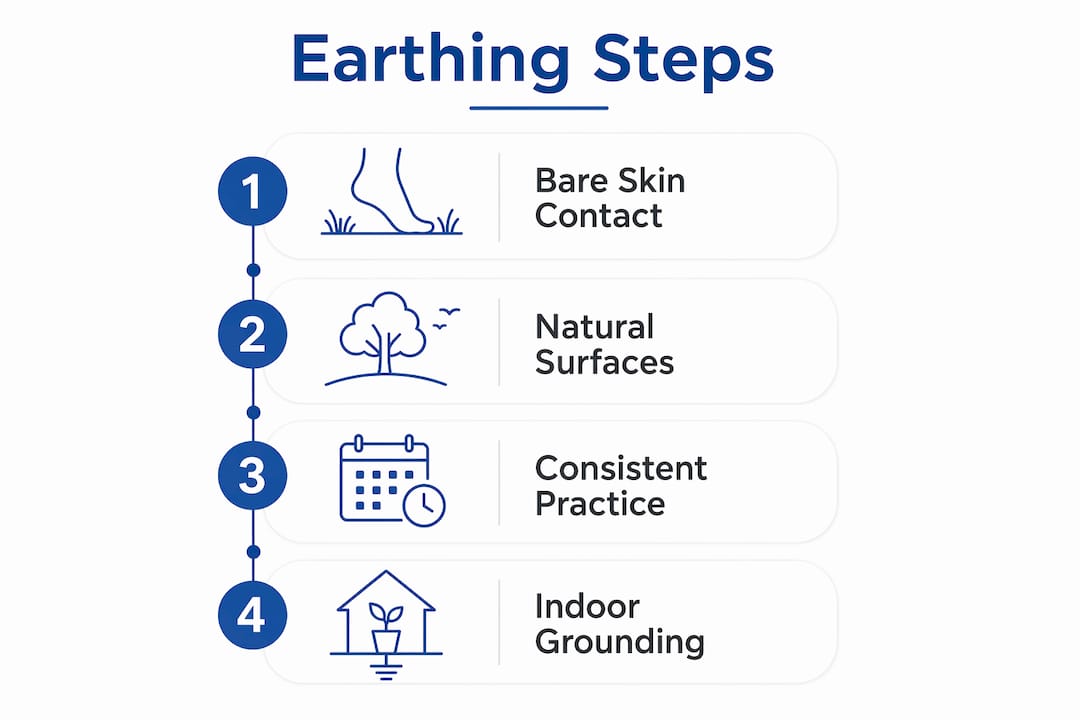
Barefoot contact with conductive natural surfaces is the simplest and most accessible earthing technique. Grass, sand, soil, and mud all conduct electrons effectively. Sealed concrete and asphalt do not. That distinction matters because many people assume any outdoor surface counts.
Practical earthing methods include:
- Barefoot walking on grass, soil, or sand for 20–30 minutes daily.
- Lying or sitting directly on the ground, which maximizes skin surface contact.
- Wading or swimming in natural bodies of water like lakes, rivers, or the ocean.
- Grounding mats and sheets for indoor use, which plug into grounded electrical outlets and simulate direct Earth contact.
- Grounding socks and wristbands, which work on the same principle as mats.
Indoor grounding products require two things to function correctly: bare skin contact with the conductive surface, and a proper connection to a grounded electrical outlet. A mat sitting on carpet with no skin contact does nothing. A mat plugged into an ungrounded outlet is equally ineffective and potentially unsafe.
Pro Tip:Before buying a grounding mat, test your home outlets with an outlet tester (available at any hardware store for under $10). Older homes frequently have ungrounded outlets, which makes indoor grounding products useless and potentially risky.
Safety is non-negotiable with electrical grounding devices. Always follow manufacturer instructions, avoid using them during electrical storms, and consult a licensed electrician if you are unsure about your outlet grounding status.
What does the research say about earthing’s health benefits?
The evidence base for earthing health benefits is promising but preliminary. A 31-day randomized, double-blind, sham-controlled trial using grounding mats for 6 hours daily found statistically significant improvements in stress levels, insomnia, daytime sleepiness, and total sleep duration by day 31. Those improvements persisted at a 7-day follow-up. That is meaningful because sham-controlled design rules out simple placebo effects from the mat’s physical presence.
Clinical research has also examined earthing in post-surgical recovery. Earthing after spinal surgery reduced markers of inflammation including C-reactive protein and creatine kinase compared to controls, and patients reported significantly lower pain intensity. That is a concrete physiological signal, not just a self-reported feeling.
The table below summarizes what current research supports and where gaps remain.
| Health Outcome | Evidence Status | Key Limitation |
|---|---|---|
| Sleep quality and duration | Controlled trial support | Small sample sizes |
| Stress and cortisol reduction | Early positive signals | Few independent replications |
| Inflammation markers (CRP) | Clinical observational data | Not yet confirmed in large RCTs |
| Pain reduction post-surgery | Observational clinical study | Limited to specific populations |
| Cardiovascular markers | Preliminary findings only | Insufficient data for conclusions |
“Research insiders distinguish measurable physiological changes from grounding versus clear clinically meaningful outcomes. Current evidence is promising but preliminary.”
One critical detail most articles skip: dose matters. Effective earthing requires substantial skin contact time, often several hours per day in the studies that showed results. A 10-minute barefoot walk is unlikely to replicate what a 6-hour grounding mat study produced. That gap between casual practice and research conditions is rarely acknowledged in wellness coverage.
Earthing is an under-researched topic with few independent, high-quality studies behind it. The signals are real enough to warrant continued investigation, but not strong enough to replace medical treatment for any condition.
Earthing vs. grounding: what is the difference?
The terminology around earthing causes genuine confusion, especially because the same words mean different things in wellness, psychology, and electrical engineering.
| Term | Context | Meaning |
|---|---|---|
| Earthing | Wellness practice | Physical skin contact with Earth’s surface to absorb electrons |
| Grounding (wellness) | Wellness practice | Umbrella term often used interchangeably with earthing |
| Grounding (psychology) | Mental health | Sensory or mindfulness techniques to reduce anxiety and dissociation |
| Earthing (electrical) | Industrial/engineering | Connecting electrical systems to Earth to prevent shock and equipment damage |
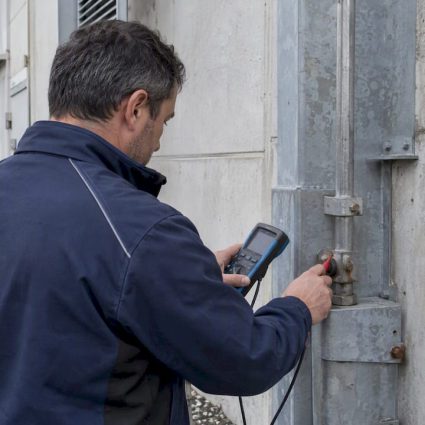
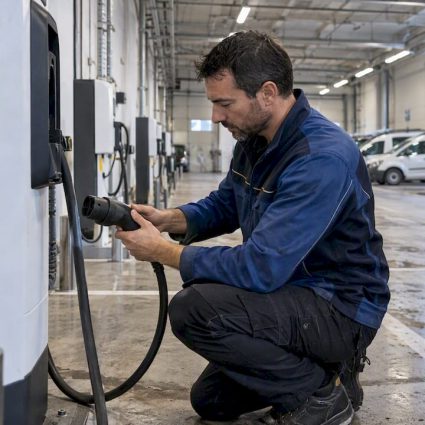
In industrial settings, what is earthing in industries refers to a safety standard. Electrical systems are connected to the Earth through a low-resistance path so that fault currents dissipate safely rather than traveling through people or equipment. Indelec, which has specialized in electrical protection since 1955, works with grounding standards and compliance at the infrastructure level. That engineering application shares the same physical principle as wellness earthing, which is electron transfer between a system and the Earth, but the purpose and scale are entirely different.
Indoor grounding mats borrow directly from electrical engineering. They use the grounding wire in a standard three-prong outlet to create a conductive path between your body and the Earth. That is why proper outlet grounding is non-negotiable. A mat connected to an ungrounded outlet is not earthing at all.
Psychological grounding techniques have no electrical component. They work through cognitive and sensory engagement, not electron transfer. Using them interchangeably with physical earthing creates false expectations and muddies the research conversation.
Key takeaways
Earthing works by transferring electrons from the Earth’s negatively charged surface into the body through direct skin contact, with early research suggesting measurable effects on sleep, inflammation, and stress.
| Point | Details |
|---|---|
| Core definition | Earthing is direct physical skin contact with Earth’s surface to absorb electrons. |
| Scientific mechanism | Electron transfer may neutralize free radicals and reduce oxidative stress. |
| Best techniques | Barefoot on wet grass or sand delivers the most effective natural contact. |
| Research status | Controlled trials show sleep and stress improvements, but evidence remains early-stage. |
| Terminology clarity | Earthing differs from psychological grounding and from industrial electrical earthing. |
Indelec’s take: earthing is worth trying, with clear eyes
After decades working with grounding systems at the infrastructure level, I find the wellness earthing conversation genuinely interesting. The physics is real. The Earth does carry a negative charge. Electron transfer through conductive contact does occur. What remains unsettled is whether the doses achievable in daily life produce clinically meaningful outcomes for most people.
My honest recommendation: treat earthing as a low-cost experiment, not a therapy. Walk barefoot on grass for 30 minutes a day for a month. Track your sleep and stress levels honestly. If you notice a difference, continue. If you do not, you have lost nothing but a few minutes of shoe-wearing time.
Where I urge more caution is with indoor grounding devices. The electrical engineering behind them is sound in principle, but the execution depends entirely on your home’s wiring. An improperly grounded outlet turns a wellness tool into a potential hazard. Anyone using grounding mats should verify their outlet grounding status first. That is not optional.
The bigger mistake I see is people abandoning earthing after a week because they expected dramatic results. The studies that showed real improvements used 6-hour daily contact over a month. Consistency and contact time are the variables that matter most, and most casual practitioners underestimate both.
— Indelec
Explore professional grounding solutions with Indelec
If the science of electron transfer and Earth contact has you thinking beyond barefoot walks, Indelec’s expertise in grounding technology goes deep. Since 1955, Indelec has designed and installed grounding systems that meet the most demanding safety and performance standards worldwide.

For individuals curious about the engineering principles behind earthing, Indelec’s deep earth grounding services show how professional grounding installations achieve reliable, low-resistance Earth contact at scale. The same electron-transfer principle that underlies wellness earthing is the foundation of every lightning protection system Indelec builds. Explore Indelec’s full range of grounding and protection services to understand how safe, standardized grounding technology works in practice.
FAQ
What is earthing in simple terms?
Earthing is the practice of placing your bare skin in direct contact with the Earth’s surface, such as walking barefoot on grass or soil, to allow electron transfer from the ground into your body.
Does earthing actually have health benefits?
Early research shows measurable improvements in sleep quality, stress levels, and inflammation markers, but the evidence base remains small and preliminary. No major health organization currently endorses earthing as a medical treatment.
How long do you need to practice earthing to see results?
Controlled studies that showed significant results used grounding mats for approximately 6 hours daily over 31 days. Brief or irregular contact is unlikely to replicate those outcomes.
Are grounding mats safe to use indoors?
Grounding mats are safe when connected to a properly grounded electrical outlet and used with bare skin contact. Always verify your outlet is grounded before use, and follow all manufacturer safety instructions.
What is the difference between earthing and grounding?
Earthing refers specifically to physical skin contact with the Earth’s surface for electron transfer. Grounding is a broader term that also covers psychological techniques for anxiety management, which involve no electrical component.