Innovation in lightning protection enhances safety 2026
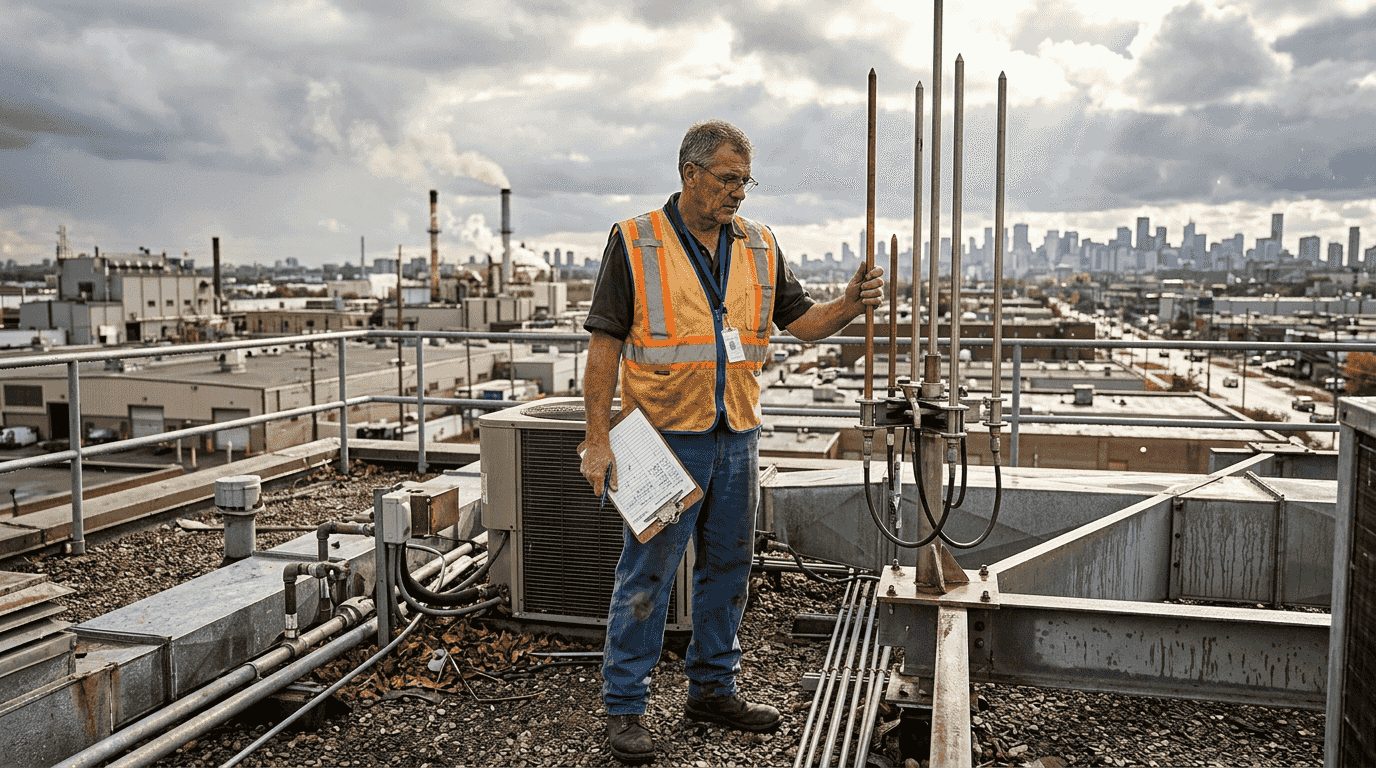
Many facilities managers still rely on traditional lightning rods and basic grounding systems, assuming these methods suffice for modern infrastructure. However, climate change has intensified storm patterns, increasing both the frequency and severity of lightning strikes. Meanwhile, commercial and industrial facilities have grown more complex, housing sensitive electronics and critical systems vulnerable to indirect surges. Innovative lightning protection solutions now combine prevention technologies with real-time monitoring, addressing these evolving challenges. This article explores how hybrid systems, eco-friendly materials, and advanced testing methods enhance safety and compliance for facilities managers seeking reliable protection in 2026.
Table of Contents
- Why Innovation Is Essential In Lightning Protection Today
- Understanding Hybrid Lightning Protection: Prevention And Monitoring Combined
- Innovations In Materials And Eco-Friendly Lightning Protection Technologies
- Practical Steps For Facilities Managers To Implement Innovative Lightning Protection
- Explore Indelec’s Innovative Lightning Protection Solutions
- Frequently Asked Questions
Key takeaways
| Point | Details |
|---|---|
| Hybrid systems integrate prevention and monitoring | Combining lightning rods with surge detection provides comprehensive protection against direct strikes and indirect electrical disturbances. |
| Climate challenges demand adaptive solutions | Intensified storms require lightning protection that responds to changing weather patterns and increased strike frequency. |
| Current injection testing verifies system integrity | Advanced testing methods ensure complex installations maintain proper coverage and performance across large facilities. |
| Eco-friendly materials support sustainability goals | Modern protection systems use recyclable components and energy-efficient designs without compromising reliability. |
| Innovative approaches improve compliance and cost-effectiveness | Advanced solutions help facilities meet evolving regulations while reducing long-term repair and downtime expenses. |
Why innovation is essential in lightning protection today
Traditional lightning protection designs often fail to address the full spectrum of threats facing modern facilities. Conventional systems focus primarily on direct strike prevention through air terminals and grounding, yet they leave infrastructure vulnerable to indirect surges that can damage sensitive equipment. Complex structures with multiple buildings, underground utilities, and interconnected systems require more sophisticated protection strategies than simple rod-and-wire configurations can provide.
Climate change intensifies storms increasing lightning strike risks, creating unprecedented challenges for facilities managers. Higher storm frequencies mean more potential strikes, while increased severity amplifies the damage each event can cause. Facilities in regions previously considered low-risk now face elevated threats, requiring protection systems that adapt to these changing conditions. Traditional approaches designed decades ago cannot account for these climate-induced variations.
Evolving regulations compound these challenges by demanding more reliable and adaptive protection methods. Standards now emphasize comprehensive risk assessment and system verification, pushing facilities beyond basic compliance toward proven performance. You must balance these safety requirements against budget constraints, making cost-effective innovation essential. Facilities face mounting pressure to protect critical operations while controlling capital expenditures and maintenance costs.
Innovation addresses these modern demands through several key approaches:
- Hybrid systems combining prevention and monitoring technologies
- Advanced materials offering superior performance and environmental benefits
- Real-time detection capabilities identifying system faults before failures occur
- Testing methods like current injection verifying protection across complex installations
The integration of monitoring with traditional prevention creates a dynamic protection ecosystem that responds to threats in real time, rather than simply waiting to absorb lightning energy.
These innovations transform lightning protection from a passive barrier into an active defense system. By detecting indirect surges and system degradation early, facilities can prevent costly damage and maintain continuous operations. This proactive approach aligns with modern infrastructure management principles, where predictive maintenance and real-time insights drive operational excellence.
Understanding hybrid lightning protection: prevention and monitoring combined
Hybrid lightning protection systems represent a fundamental shift in how facilities safeguard infrastructure. These systems integrate traditional prevention components with advanced monitoring technologies, creating comprehensive protection that addresses both direct strikes and indirect electrical disturbances. Prevention elements include air terminals, down conductors, and grounding networks that safely channel lightning energy into the earth. Monitoring components add surge detectors, current sensors, and diagnostic tools that provide real-time insights into system status and performance.
The prevention side operates much like conventional systems, using carefully positioned lightning rods to intercept strikes and conductive paths to dissipate energy. Modern designs optimize these components through computer modeling and risk assessment, ensuring adequate coverage for complex facility layouts. Surge protection devices at critical points guard against transient overvoltages that can damage sensitive electronics, even when lightning strikes nearby rather than directly hitting the structure.
Monitoring capabilities distinguish hybrid systems from traditional approaches. These components continuously track electrical activity, detecting surges that might indicate system stress or degradation. When lightning strikes occur, sensors record the event characteristics, helping you understand protection system performance and identify potential weaknesses. This data enables predictive maintenance, allowing repairs before complete failures compromise protection.
Current injection testing helps verify complex system integrity across large facilities with multiple buildings and interconnected infrastructure. This technique simulates lightning strikes by injecting controlled currents into the protection system, measuring how effectively energy disperses through grounding networks. For facilities with extensive underground utilities or specialized equipment, this verification ensures protection extends to every critical asset.
Implementing hybrid systems follows a structured process:
- Conduct comprehensive risk assessment identifying strike probability and potential damage zones
- Design prevention components optimized for facility layout and local lightning density
- Integrate monitoring devices at strategic points to detect surges and system faults
- Install current injection test points enabling periodic verification of system performance
- Establish monitoring protocols and maintenance schedules based on real-time data
Pro Tip: Focus monitoring resources on areas housing your most critical or sensitive equipment, where even minor surges can cause significant operational disruption or data loss.
The benefits of hybrid approaches extend beyond enhanced protection. By addressing indirect surges that traditional systems miss, you prevent damage to computers, control systems, and telecommunications equipment. Early fault detection reduces repair costs and minimizes downtime, while comprehensive verification through current injection testing provides confidence in system reliability. These advantages make hybrid systems particularly valuable for sensitive site lightning protection design where operational continuity is paramount.
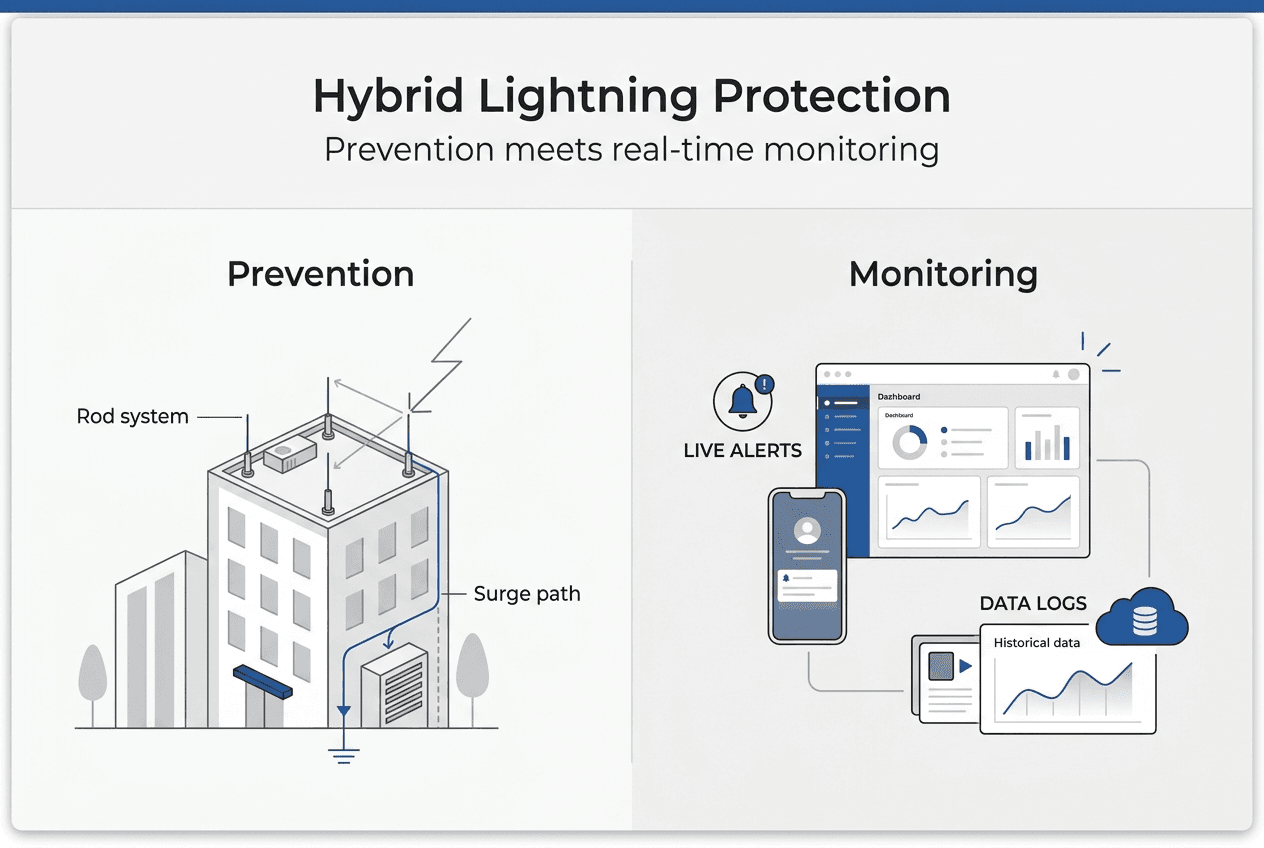
| System Type | Protection Coverage | Monitoring Capability | Initial Cost | Long-term Value |
|---|---|---|---|---|
| Prevention Only | Direct strikes | None | Lower | Moderate |
| Hybrid System | Direct strikes and indirect surges | Real-time detection and diagnostics | Higher | High |
Hybrid systems require higher upfront investment but deliver superior long-term value through damage prevention and reduced maintenance costs. The monitoring data they generate supports informed decision making about system upgrades and facility expansions, ensuring protection keeps pace with infrastructure evolution. For facilities managing complex operations or housing irreplaceable equipment, this comprehensive approach provides essential risk mitigation.
Innovations in materials and eco-friendly lightning protection technologies
Material science advances have revolutionized lightning protection system design, introducing components that combine environmental responsibility with exceptional performance. Traditional systems relied heavily on copper and aluminum, materials with significant environmental footprints due to mining and processing requirements. Modern alternatives reduce these impacts while maintaining or exceeding the conductivity and durability standards critical for reliable lightning protection.
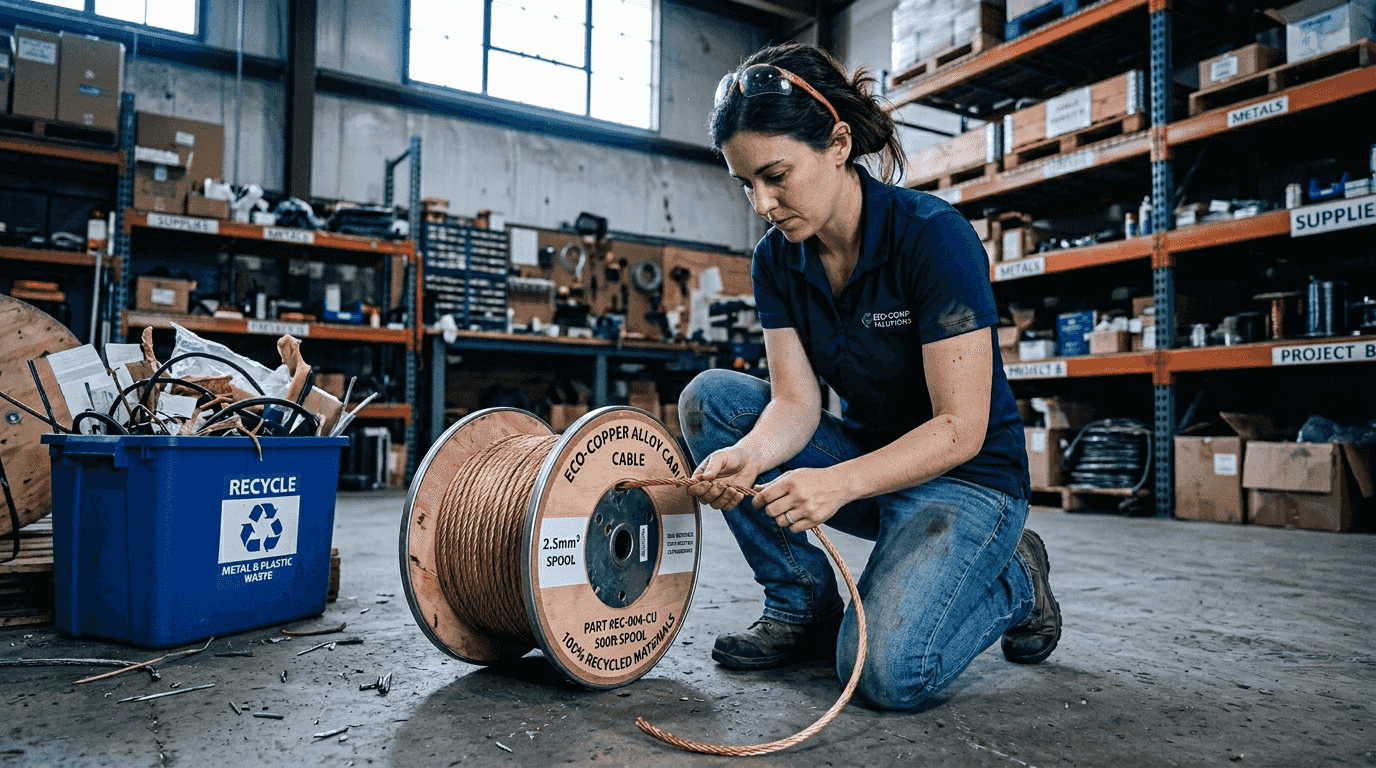
Energy-efficient and recyclable components now dominate industry development efforts. Manufacturers design systems with end-of-life recovery in mind, using materials that can be reclaimed and repurposed rather than discarded. This circular approach aligns with corporate sustainability goals while reducing long-term ownership costs. Components manufactured from recycled content further minimize environmental impact without compromising the electrical and mechanical properties essential for lightning protection.
Prevectron3 combines innovation with sustainability goals through advanced early streamer emission technology housed in eco-conscious materials. This system demonstrates how environmental responsibility and technical performance can coexist, offering facilities a path to enhanced protection that supports broader sustainability initiatives. The design reduces material consumption while extending operational lifespan, delivering both environmental and economic benefits.
Key material innovations transforming lightning protection include:
- Composite conductors offering superior corrosion resistance in harsh industrial environments
- Low-impact grounding electrodes using sustainable manufacturing processes
- Modular components designed for easy replacement and recycling
- Protective coatings extending system life while reducing maintenance requirements
- Bio-based insulators providing electrical isolation with reduced carbon footprint
These advances address specific challenges facilities face in different environments. Coastal installations benefit from corrosion-resistant materials that withstand salt spray, while chemical plants require components that resist aggressive atmospheres. The ability to select materials optimized for site-specific conditions improves both system longevity and environmental performance.
Pro Tip: When evaluating eco-friendly options, verify that environmental benefits don’t compromise performance in your specific operating conditions, particularly in extreme temperature or corrosive environments.
Sustainability in lightning protection extends beyond materials to encompass system design and installation practices. Efficient layouts minimize conductor lengths and grounding network complexity, reducing material consumption. Prefabricated components speed installation while generating less waste, and modular designs facilitate future expansions without complete system replacement. These approaches align with green building standards and corporate environmental commitments.
The business case for eco-friendly lightning protection strengthens as regulatory frameworks increasingly favor sustainable infrastructure. Facilities pursuing LEED certification or similar environmental credentials find that advanced lightning protection systems contribute to multiple rating categories. The combination of reduced environmental impact, lower lifecycle costs, and enhanced protection makes these innovations attractive across industrial and commercial sectors.
Material innovation also improves system aesthetics, an important consideration for commercial facilities where visible protection components affect building appearance. Modern air terminals and conductors feature sleek profiles and color options that blend with architectural designs, eliminating the industrial look of traditional systems. For sensitive installations lightning solutions, this visual integration supports comprehensive protection without compromising facility aesthetics or brand image.
Practical steps for facilities managers to implement innovative lightning protection
Implementing innovative lightning protection requires systematic evaluation of facility risks and careful selection of appropriate technologies. Start by assessing your site’s lightning exposure using local storm data and historical strike records. Geographic location, building height, and surrounding terrain all influence strike probability. Facilities in high-risk zones or housing critical operations justify more sophisticated protection approaches, while lower-risk sites may achieve adequate safety with less complex systems.
Evaluate facility complexity to determine whether hybrid systems provide sufficient value over traditional approaches. Large campuses with multiple buildings, extensive underground utilities, or interconnected systems benefit most from integrated prevention and monitoring. Single structures with limited sensitive equipment may achieve adequate protection through conventional methods enhanced with targeted surge protection. Consider operational criticality when making this assessment, as facilities where downtime carries severe consequences warrant more comprehensive solutions.
Selecting appropriate system types involves matching technology capabilities to facility requirements:
- Map critical assets and identify protection priorities across your facility
- Determine acceptable risk levels based on operational impact and replacement costs
- Compare lightning protection system application options against your specific needs
- Evaluate monitoring requirements based on equipment sensitivity and operational continuity demands
- Assess budget constraints and develop phased implementation plans if necessary
- Verify that selected systems meet applicable codes and industry standards
Maintenance and monitoring protocols ensure ongoing system performance after installation. Establish inspection schedules based on manufacturer recommendations and local lightning activity patterns. High-activity regions or facilities with critical operations require more frequent checks, while lower-risk sites can extend intervals between detailed inspections. Document all maintenance activities and system performance data to track degradation trends and plan proactive replacements.
| Protection Approach | Best Applications | Key Advantages | Limitations |
|---|---|---|---|
| Traditional rod and grounding | Simple structures, non-critical operations | Lower cost, proven technology | No surge monitoring, limited indirect protection |
| Enhanced surge protection | Facilities with sensitive electronics | Protects against transient overvoltages | Requires coordination with prevention systems |
| Hybrid prevention and monitoring | Complex facilities, critical operations | Comprehensive protection, real-time insights | Higher initial investment |
| Early streamer emission systems | High-risk zones, large coverage areas | Extended protection radius | Requires careful site assessment |
Verification through current injection testing provides confidence in system performance, particularly for complex installations where visual inspection cannot confirm proper operation. Schedule these tests during initial commissioning and periodically thereafter based on system age and lightning activity. Testing reveals grounding network defects, inadequate bonding, and other issues that compromise protection effectiveness.
Pro Tip: Coordinate lightning protection upgrades with other facility improvement projects to reduce installation costs and minimize operational disruption during construction.
Implementation success depends on selecting qualified contractors experienced in modern lightning protection technologies. Verify that installers understand hybrid system integration, monitoring component configuration, and verification testing procedures. Poor installation negates even the most advanced system designs, so prioritize contractor qualifications over lowest bid pricing. Request references from similar facilities and inspect completed installations before making selection decisions.
Ongoing system optimization uses monitoring data to refine protection strategies as facilities evolve. When you add buildings, install new equipment, or modify operations, reassess lightning protection adequacy. Lightning protection design and installation should adapt to changing facility configurations, ensuring protection keeps pace with infrastructure development. This dynamic approach maintains safety and compliance throughout facility lifecycles.
Explore Indelec’s innovative lightning protection solutions
Indelec combines cutting-edge prevention and monitoring technologies in hybrid lightning protection systems designed specifically for industrial and commercial facilities. Our solutions address the complex challenges you face, from climate-intensified storms to evolving regulatory requirements. We tailor each system to your facility’s unique risk profile, ensuring comprehensive protection that balances safety requirements with budget realities.

Our lightning protection system application portfolio includes solutions for energy facilities, manufacturing plants, commercial buildings, and highly sensitive installations. We offer eco-friendly options like Prevectron3 that support your sustainability goals without compromising protection performance. Explore our sensitive site protection design examples to see how innovative approaches enhance safety in demanding applications. Our technical team provides comprehensive support from initial risk assessment through system commissioning and ongoing maintenance, ensuring your infrastructure remains protected as conditions evolve.
Frequently asked questions
How does innovation specifically improve lightning protection effectiveness?
Innovations combine prevention and monitoring to detect indirect surges and system faults early, ensuring continuous protection. Traditional systems only address direct strikes, leaving facilities vulnerable to electrical disturbances that propagate through power and data lines. Hybrid approaches identify these threats in real time, triggering protective responses before damage occurs. They also adapt to evolving climate patterns and infrastructure complexity through configurable monitoring and flexible system architectures.
What are the cost implications of upgrading to hybrid systems?
Though initial costs run higher than traditional systems, hybrid approaches reduce downtime and repair expenses over their operational lives, providing long-term cost-effectiveness. Prevention of even a single major lightning-related failure often justifies the additional investment. Budget planning should account for reduced insurance premiums, lower maintenance costs, and avoided business interruption expenses. Risk assessment helps quantify these benefits, making the financial case for advanced protection clear.
How often should monitoring components of a lightning protection system be tested?
Monitoring components require testing at least annually and after severe storms to ensure system integrity and detection accuracy. Highly sensitive or critical sites benefit from more frequent checks, particularly during peak lightning seasons. Visual inspections verify physical condition, while functional tests confirm that sensors and diagnostics operate correctly. Document all test results to track performance trends and identify degradation before failures compromise protection. Consult lightning protection maintenance guidelines for site-specific recommendations.
Can eco-friendly lightning protection materials withstand harsh industrial environments?
Advanced eco-friendly materials combine environmental benefits with high resistance to corrosion, impact, and temperature extremes. Modern composites and treated metals exceed traditional material performance in many applications, particularly in coastal or chemical environments. They comply with rigorous industrial standards including IEC specifications and national codes. Material selection should consider your specific operating conditions, but sustainable options now exist for virtually every industrial application without performance compromises.
What certifications or standards should innovative lightning protection systems meet?
Systems must comply with IEC 62305 standards covering risk assessment, system design, installation, and maintenance for comprehensive lightning protection. National codes such as NFPA 780 in North America provide additional requirements specific to regional conditions and building types. Certification by recognized testing organizations assures that components meet performance specifications and quality standards. Verify that your selected system carries appropriate certifications for your jurisdiction and industry sector, as regulatory requirements vary by location and application.